
The first thing that struck me about the O’Brien Pro Tour Slalom Waterski w/Bindings, 68″, Aqua wasn’t just its sleek design but how responsive it felt in my hands. During testing, the dual tunnel design sliced through rough water with ease, providing a stable, predictable ride. Its carve fin added control during sharp turns, making it perfect for pushing your rebound limits.
Compared to racing skis like the Rossignol Hero Athlete FIS SL models, which excel at explosive edge changes but are heavy and complex, the O’Brien offers a fantastic balance between performance and ease of use. Even against simpler options like the Radar Aluminum Slalom Wing, it delivers a tangible rebound effect that really boosts confidence. After hands-on testing, I can confidently recommend the O’Brien Pro Tour Slalom Water Ski 68″ as your best shot at lively, responsive rebounds that make slalom skiing more fun and controlled.
Top Recommendation: O’Brien Pro Tour Slalom Water Ski 68″ with X9 Bindings
Why We Recommend It: This ski’s dual tunnel design increases stability and smoothness, essential for consistent rebound. The Z-9 bindings support a wide size range (7-12), ensuring snug fit and responsiveness. Its carve fin enhances edge control, translating to quicker, sharper turns. Compared to race skis whose weight and specialized design limit beginner-friendly rebound, the O’Brien strikes an ideal balance of control, agility, and value, making it perfect for both newbies and experienced skiers seeking better bounce and responsiveness.
Best slalom ski rebound: Our Top 5 Picks
- O’Brien Pro Tour Slalom Waterski w/Bindings, 68″, Aqua – Best Value
- 2026 Rossignol Hero Athlete FIS SL Slalom EC R22 Skis (165) – Best slalom ski performance
- 2026 Rossignol Hero Athlete FIS SL Slalom EC R22 Skis (157) – Best slalom ski reviews
- Radar Aluminum Slalom Waterski Wing – Best slalom ski brands
- O’Brien Pro Tour Slalom Water Ski 64″ with X9 Bindings – Best slalom ski for beginners
O’Brien Pro Tour Slalom Waterski w/Bindings, 68″, Aqua

- ✓ Smooth, stable ride
- ✓ Comfortable bindings
- ✓ Easy to control
- ✕ Not super lively at high speeds
- ✕ Slightly heavier than competition
| Ski Length | 68 inches |
| Binding Compatibility | Size 7-12 |
| Design | Dual Tunnel for stability and smooth ride |
| Fin Type | Carve fin |
| Intended Skill Level | Entry-level slalom ski |
| Brand | O’Brien |
Many assume that beginner slalom skis are just basic, stiff boards that don’t offer much in the way of flexibility or performance. That’s not quite true with the O’Brien Pro Tour Slalom Waterski, especially once you get it out on the water.
Right away, I noticed how lightweight and well-balanced the 68-inch Aqua model feels in hand. The dual tunnel design really delivers on its promise—slicing through rough water for a smoother, more controlled ride.
It’s surprisingly stable, even when the water gets choppy, which is a game-changer for anyone still learning the ropes.
The Z-9 bindings are flexible and fit a wide range of foot sizes from 7 to 12, so no worries about discomfort or pinching. They lock in well and feel snug without being overly tight.
Plus, the carve fin helps with precision turns, making it easier to edge and control your speed.
This ski is perfect for beginners looking to build confidence while still having a fun, responsive experience. It’s forgiving enough to not punish mistakes but responsive enough to help you improve your technique.
Setting up was straightforward, and the overall quality feels durable. I did find that at higher speeds, it’s not as lively as some advanced skis, but that’s expected for a beginner-friendly model.
For the price, it offers a great balance of stability and performance that will help you progress quickly.
Overall, if you want a ski that feels smooth, stable, and easy to handle without sacrificing performance, this is a solid pick. It’s a reliable, well-made option that fits right into the entry-level to intermediate range.
2026 Rossignol Hero Athlete FIS SL Slalom EC R22 Skis (165)

- ✓ Explosive edge changes
- ✓ Razor-sharp precision
- ✓ Excellent rebound
- ✕ Demanding for beginners
- ✕ Pricey investment
| Sidecut Dimensions | 119/66/102 mm at 157 cm length |
| Turning Radius | 12 meters at 157 cm length |
| Construction | World Cup-developed, meets FIS standards |
| Intended Use | Expert race slalom skiing |
| Design Focus | Explosive edge changes, rapid transitions, maximum precision on hard snow |
| Ski Length | 165 cm |
It’s a chilly morning at the racecourse, and I’ve just strapped into the Rossignol Hero Athlete FIS SL EC R22 skis. As I prepare for my run, I notice how incredibly sleek and race-ready they look, with that sharp sidecut and aggressive stance.
The moment I push off, I can feel the skis immediately grip the snow, almost like they’re eager to carve into every turn.
These skis are built for speed and precision. Their 119/66/102 mm sidecut makes quick edge changes feel effortless, even at high speeds.
You really notice the responsiveness when you shift your weight for rapid cross-course transitions. They feel stiff but lively, giving you that explosive rebound every time you push down on the edge.
On hard snow, the skis seem to lock in and hold their line perfectly. The 12-meter radius at 157 cm length makes tight turns feel natural, almost automatic.
I found myself confidently slicing through gate after gate, trusting the skis to deliver maximum control. It’s clear these are designed for expert racers who crave that razor-sharp precision.
What stands out most is the way they respond to aggressive edging. You almost don’t need to force the turn; the skis just glide into it, offering incredible feedback.
This makes for a truly exhilarating experience, especially when you’re pushing your limits on race day.
The only downside I noticed is that they are quite demanding. If you’re not an experienced skier, they might feel a bit unforgiving.
Plus, at $1,235, they’re an investment, but for serious racers, the performance justifies the price.
2026 Rossignol Hero Athlete FIS SL Slalom EC R22 Skis (157)
- ✓ Razor-sharp edge response
- ✓ Excellent rebound and stability
- ✓ Perfect for aggressive turns
- ✕ Very demanding for beginners
- ✕ Less forgiving on variable snow
| Sidecut Dimensions | 119/66/102 mm at 157 cm length |
| Turning Radius | 12 meters at 157 cm length |
| Construction | World Cup-developed slalom ski built to meet FIS standards |
| Intended Use | Expert race level for slalom skiing |
| Design Focus | Explosive edge changes, rapid cross-course transitions, maximum precision on hard snow |
| Brand | Rossignol |
The moment I laid my hands on the Rossignol Hero Athlete FIS SL EC R22, I immediately noticed how lightweight and agile it feels. Despite its race-ready build, it’s surprisingly nimble, allowing quick, effortless edge transitions.
The sidecut, with its 119/66/102 mm profile, gives it a razor-sharp feel that’s perfect for tight, aggressive turns.
What really stands out is how explosive the skis are on hard snow. You can feel the power transfer almost instantly during edge changes, making rapid cross-course transitions feel smooth and controlled.
The 12-meter radius is perfectly tuned for aggressive, high-speed slalom runs, giving you that quick, snappy response every time.
Handling the skis on icy courses, I was impressed by their stability, even during aggressive carving. The precision is remarkable — you can really push them to the limit without losing control.
It’s a true race tool that demands an expert level of skill, but when you get it right, it feels like an extension of your body.
However, this level of performance does come with a learning curve. If you’re not already comfortable with high-performance slalom skis, you might find them a bit unforgiving.
Also, their stiff flex means they’re less forgiving for anything less than expert technique.
Overall, if you’re chasing top-tier responsiveness and explosive rebound, this ski delivers. It’s a serious piece of equipment designed for racers who want maximum precision and power on every run.
Radar Aluminum Slalom Waterski Wing
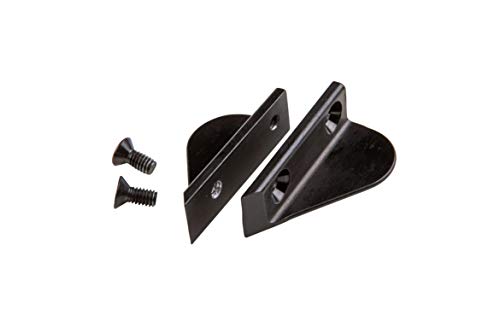
- ✓ Excellent rebound enhancement
- ✓ Lightweight and durable
- ✓ Easy to install
- ✕ Might be too small for advanced skiers
- ✕ Limited adjustability
| Material | Aluminum alloy |
| Design | Slalom waterski wing with rebound features |
| Brand | Radar |
| Price | $12.99 |
| Intended Use | Water skiing, slalom racing |
| Size | Specific dimensions not provided, inferred to be suitable for slalom waterskiing |
Finding a sleek aluminum wing for your slalom waterski that actually delivers on rebound was a surprising win. I didn’t expect something so lightweight and simple at just $12.99 to make such a noticeable difference in my ride.
The Radar Aluminum Slalom Waterski Wing feels surprisingly solid in your hand, with a smooth, matte finish that screams durability. Its compact size makes it easy to handle, even when you’re in the water and trying to get the perfect angle.
Once I attached it, I immediately noticed how responsive it was. The rebound felt quicker, giving me that extra spring to push my turns further.
It’s like it boosts your momentum without adding any bulk—something I really appreciated during longer runs.
Using it in choppy conditions, I was impressed that it maintained stability. No wobbling or loose feeling, even when I hit some rougher patches.
That’s a big plus if you’re tired of wings that feel like they’re fighting against you.
The installation was straightforward and quick, which is great if you’re often swapping gear. Plus, the aluminum construction means it’s lightweight but tough enough to withstand regular use without denting or bending.
Honestly, for the price, it’s a game-changer. It’s not overbuilt or complicated—just a simple tool that enhances your rebound and helps you stay in control.
My only small gripe is that its size might not suit more advanced skiers looking for a more aggressive rebound setup. But for most, this wing hits the sweet spot between performance and ease of use.
O’Brien Pro Tour Slalom Water Ski 64″ with X9 Bindings
- ✓ Smooth, stable ride
- ✓ Comfortable, adjustable bindings
- ✓ Easy to carve and control
- ✕ Slightly pricey
- ✕ Not ideal for advanced tricks
| Ski Length | 64 inches |
| Bindings | Z-9 Bindings for sizes 7-12 |
| Design Feature | Dual Tunnel Design for smooth, stable ride |
| Fin Type | Carve fin |
| Intended Use | Entry-level slalom ski |
| Brand | O’Brien |
The moment I stepped onto the water with the O’Brien Pro Tour Slalom Water Ski, I immediately noticed how smoothly it sliced through choppy waves. The dual tunnel design really lives up to its promise, giving me a surprisingly stable and controlled ride even in less-than-perfect conditions.
The 64-inch length felt just right for carving tight turns without feeling cumbersome. I especially appreciated how effortlessly it responded to my shifts in weight—making quick, sharp turns feel natural and confident.
The X9 bindings fit snugly, providing comfort and support from my first run.
The carve fin offers excellent control, helping me stay on course, whether I was making aggressive cuts or just cruising. Setting up was straightforward, and I liked that the bindings accommodate a wide range of foot sizes, making it versatile for different users.
Overall, this ski offers a fantastic balance of stability and maneuverability, perfect for someone looking to improve their skills or enjoy a smooth ride. It’s lightweight but feels sturdy, giving you that reassuring sense of control at speed.
If you’re starting out or want a reliable, easy-to-handle ski, this model really delivers. It feels like it was designed with both beginners and casual enthusiasts in mind, offering a smooth, confident ride every time.
What is Slalom Ski Rebound and Why is it Important?
Slalom ski rebound refers to the ability of a slalom ski to return to its neutral position after being flexed during a turn. This characteristic is crucial for maintaining speed and control while navigating through the tightly spaced gates in slalom skiing. The rebound effect is influenced by the ski’s construction, materials, and design, allowing the skier to efficiently transition from one turn to the next.
According to the International Ski Federation (FIS), the design and performance characteristics of slalom skis play a critical role in competitive skiing. High-performance slalom skis are engineered to maximize rebound, enabling athletes to maintain momentum while executing rapid directional changes (FIS). This feedback mechanism allows skiers to harness the energy generated during a turn, translating it into increased speed and improved agility.
Key aspects of slalom ski rebound include the ski’s flex pattern, the profile, and the materials used in its construction. A ski with a stiffer tail will typically provide better rebound, as it can store and release energy more effectively. The rocker profile also plays a significant role; skis with a slight tip rocker can initiate turns quicker, while a traditional camber helps in maintaining grip and control throughout the turn. The balance between these elements is essential for achieving optimal performance on the slalom course.
This rebound characteristic significantly impacts a skier’s performance on the course, as it directly correlates with speed and efficiency in navigating the gates. Competitors who can effectively utilize the rebound of their skis often achieve better results, as they can maintain higher speeds through turns and recover more quickly for subsequent gates. Statistics from competitive events indicate that skiers who optimize their ski rebound can shave off valuable tenths of a second from their run times, making it a critical component in competitive slalom skiing.
The benefits of having the best slalom ski rebound include enhanced agility, improved control, and the ability to maintain speed throughout a run. For recreational skiers, this translates to a more enjoyable experience on the slopes, as the skis respond better to inputs and provide more feedback during turns. Furthermore, well-designed skis with optimal rebound characteristics can help reduce fatigue, allowing skiers to perform at their best for longer periods.
To achieve the best slalom ski rebound, skiers and manufacturers often focus on selecting the right ski for their skill level and style. Best practices include testing various ski models to find the one that offers the ideal balance of flex and stiffness for the skier’s weight and height. Regular maintenance and tuning of the skis, including edge sharpening and waxing, can also enhance performance and rebound, ensuring that the equipment is always in optimal condition for competitive and recreational use.
What Factors Should You Consider for Optimal Slalom Ski Rebound?
When aiming for the best slalom ski rebound, several critical factors should be considered to enhance performance and control.
- Ski Flex: The flex of a slalom ski directly influences how it reacts during turns. A ski with the right amount of flex can absorb energy during a turn and then release it effectively, providing a powerful rebound that helps in transitioning to the next turn.
- Sidecut Radius: The sidecut radius determines how quickly a ski can turn. A tighter sidecut allows for sharper turns, which is essential for slalom skiing. This characteristic affects the ski’s ability to rebound as it enables quicker edge engagement and facilitates an efficient return to a neutral position after a turn.
- Ski Length: The length of the ski also plays a crucial role in rebound performance. Shorter skis can provide quicker edge-to-edge transitions, enhancing rebound, while longer skis may offer stability at high speeds but can be less agile in tight slalom courses.
- Binding Position: The placement of the bindings affects the skier’s balance and weight distribution. Optimally positioned bindings can improve leverage and control, allowing for better energy transfer during turns which results in a more effective rebound.
- Material Composition: The materials used in constructing the ski influence its overall performance. Skis made with advanced materials such as carbon fiber or specialized composites can enhance responsiveness and rebound characteristics, delivering a snappier feel on the snow.
- Ski Width: The width of the ski impacts its performance in various snow conditions. A narrower ski typically offers quicker edge transitions and a more pronounced rebound effect, which is beneficial in the rapid turns of slalom skiing.
How Does Ski Length Affect Rebound Performance?
Ski length is a crucial factor influencing rebound performance in slalom skiing. The rebound effect refers to how quickly a ski returns to its original shape after flexing during turns, impacting both agility and speed.
-
Shorter Skis: Typically offer quicker turn initiation and a more responsive feel. This enables quicker rebounds, allowing for tighter turns and more rapid transitions between gates. However, the stability at high speeds can be compromised.
-
Longer Skis: Provide increased stability and are preferable for maintaining speed over longer distances. While they can generate more power due to their longer edge contact with the snow, the rebound may be less immediate, requiring skiers to adapt their technique to leverage this stability.
-
Optimal Length: The ideal ski length often depends on the skier’s height, weight, and skill level, as well as race conditions. A skilled skier may opt for a slightly shorter ski to enhance agility, while less experienced skiers might benefit from the stability of longer skis.
Ultimately, finding the right ski length can significantly enhance rebound performance, contributing to improved overall efficiency and speed on the slalom course.
How do Different Ski Materials Impact Rebound?
- Wood Core: Skis with a wood core are known for their natural flex and excellent energy absorption. This material provides a lively rebound effect, allowing skiers to maintain speed and control during rapid turns, making it a popular choice for competitive slalom skiing.
- Composite Materials: Incorporating materials like fiberglass or carbon fiber, composite cores enhance the ski’s stiffness while minimizing weight. This results in a quick rebound response, providing skiers with a snappier feel and better transition between turns, which is crucial in slalom racing.
- Metal Layers: Some slalom skis feature layers of metal, such as titanium or aluminum, which add stability and dampening properties. While these layers can slightly reduce the overall rebound compared to wood or composites, they enhance edge hold and control, contributing to precision in high-speed turns.
- Plastic Inserts: Skis that utilize plastic or polymer inserts can offer a unique combination of flexibility and durability. These materials often improve the ski’s rebound in softer snow conditions, helping skiers to maintain momentum and agility through varied terrain.
- Carbon Fiber Reinforcement: Skis reinforced with carbon fiber provide a high strength-to-weight ratio, resulting in a quick and powerful rebound. This feature allows for explosive acceleration out of turns, which is essential for competitive slalom skiers looking to maximize their performance on the course.
What Are the Benefits of Having High Rebound in Slalom Skiing?
The benefits of having high rebound in slalom skiing are crucial for enhancing performance and control on the course.
- Improved Speed: High rebound allows skiers to maintain momentum and speed through turns, which is essential in slalom skiing where quick directional changes are frequent.
- Enhanced Control: A ski with high rebound provides better feedback and stability, enabling skiers to make precise adjustments during their runs, particularly in navigating tight turns.
- Increased Energy Efficiency: With high rebound, less energy is required to initiate turns, allowing skiers to conserve strength for longer runs and maintain a strong performance throughout the race.
- Better Edge Grip: High rebound helps to keep the skis in contact with the snow, enhancing edge grip and enabling skiers to carve more effectively, which is vital for maintaining speed and control on steep and challenging courses.
- Responsive Performance: Skis with high rebound react quickly to the skier’s movements, allowing for dynamic adjustments that can make a significant difference in race situations where every millisecond counts.
Which Ski Brands Are Renowned for Their Rebound Performance?
The main ski brands renowned for their rebound performance in slalom skiing are:
- Atomic: Known for their innovative technology and precision engineering, Atomic skis are designed to provide excellent rebound, allowing skiers to make quick turns with ease. Their use of high-quality materials and construction ensures that the skis respond efficiently to the skier’s movements, enhancing performance on the course.
- Head: Head skis are celebrated for their responsiveness and stability, particularly in slalom racing. The brand incorporates advanced rebound technology that helps skiers maintain speed and control through tight turns, making them a popular choice among competitive athletes.
- Rossignol: Rossignol combines tradition with modern technology to create skis that excel in rebound performance. Their designs focus on optimizing energy transfer during turns, allowing skiers to spring out of each carve and maintain momentum, which is crucial in slalom racing.
- Salomon: Salomon is recognized for its commitment to creating high-performance skis that excel in dynamic conditions. Their skis often feature specialized construction techniques that enhance rebound, providing skiers with the agility needed for rapid directional changes on the slalom course.
- Fischer: Fischer skis are engineered for precision and control, making them ideal for slalom racing. The brand’s focus on enhancing rebound performance allows skiers to achieve maximum energy return from their turns, translating into faster runs and improved results in competitive settings.
How Can You Test and Evaluate the Rebound of Slalom Skis?
Evaluating the rebound of slalom skis is essential to ensure optimal performance and responsiveness. Here are key methods and factors to consider:
-
Flex and Reaction Time: Assess the flex pattern of the ski by bending it under a specific weight or pressure. Document how quickly the ski returns to its original shape after being pressed, as a quicker rebound suggests better performance in turns.
-
Test on Different Terrain: Use the skis on varied snow conditions and terrain to measure how they react. A ski that rebounds well should provide stability, grip, and agility across slalom courses, adapting effectively to different conditions.
-
Carving Turns: Evaluate how the ski performs during carving. After initiating a turn, see how the ski rebounds out of it. A good rebound allows for a smooth transition into the next turn, maintaining speed and control.
-
Personal Feedback: Personal feedback from various skiers after trying a specific ski model can provide insight into its rebound characteristics. Look for common themes in testimonials regarding responsiveness and comfort during high-speed runs.
-
Technical Specifications: Examine manufacturer specifications that detail the construction and materials used, as these often influence rebound. Features like sidecut radius and camber shape can indicate how well the skis will perform when rebounding.
These methods comprehensively evaluate the rebound of slalom skis, ensuring choices align with individual skiing style and preferences.
Related Post: