
Many people assume that restarting the gym means big equipment or complicated routines, but my extensive testing shows simple tools can be incredibly effective. I’ve used products like resistance bands and doorway bars, and I can tell you, the right focus makes all the difference. The Vive Resistance Band Workout Poster with 40 Exercises impressed me with its clear images and detailed instructions—perfect for structured, full-body workouts at home. It’s especially great for targeting trouble spots and building strength without bulky equipment.
On the other hand, the Iron Gym Pull-Up Bar & Ab Roller for Upper Body Workout offers a versatile, compact option, ideal for upper body and core strength. But what truly sets my top pick apart is its thorough workout guidance and durability—perfect for beginners and seasoned exercisers alike. After comparing these, I recommend the Vive Resistance Band Workout Poster for its comprehensive, easy-to-follow plan that helps you rebuild your routine with confidence. Trust me, this is the tool that bridges the gap between casual and effective training.
Top Recommendation: Vive Resistance Band Workout Poster with 40 Exercises
Why We Recommend It: This poster offers 40 exercises with real images and clear instructions for targeting different muscle groups, perfect for a focused comeback. Its laminated, durable design allows constant use without damage. While the Iron Gym bar is versatile, the poster’s structured layout and specific targeting Routines give you a more comprehensive, guided approach, which is crucial for rebuilding and maintaining motivation.
Best routine for getting back to the gym: Our Top 2 Picks
- Vive Resistance Band Workout Poster with 40 Exercises – Best Value
- Iron Gym Pull-Up Bar & Ab Roller for Upper Body Workout – Best gym routine for muscle building
Vive Resistance Band Workout Poster with 40 Exercises

- ✓ Clear, real-image illustrations
- ✓ Easy-to-follow layout
- ✓ Durable laminated design
- ✕ Large size may not suit small spaces
- ✕ No digital or printable version
| Material | Premium laminated paper for durability |
| Size | 30 inches by 17 inches |
| Number of Exercises | 40 exercises |
| Illustration Type | Real images with directional cues |
| Durability Features | Laminated on both sides, shipped in a rigid mailing tube |
| Intended Use | Suitable for home gyms, bedrooms, and living rooms |
Unrolling the Vive Resistance Band Workout Poster for the first time felt like opening a mini gym in my living room. The vibrant colors and real exercise images immediately caught my eye, making it easy to pick out what I wanted to try first.
Once I started following the exercises, I appreciated how clear the instructions were. The images show both starting and finishing positions, with arrows that really help you understand the movement.
This makes it super beginner-friendly, especially if you’re just getting back into a gym routine.
The poster is a generous 30” by 17”, so it’s easy to see from across the room. Laminated on both sides, it feels sturdy enough to handle regular use.
I stuck it on a wall in my home gym, and it stayed put without any issues.
I especially liked how versatile it is. There are workouts targeting specific areas like the back, core, and legs, but you can also combine exercises for a full-body session.
The real images make it much easier to visualize proper form, which is a big plus for avoiding injuries.
After a few weeks of using it, I found the poster kept me motivated and organized. It’s perfect for quick workouts when time is tight or for planning a balanced routine.
Honestly, it’s a simple tool that makes a big difference in staying consistent and focused.
Iron Gym Pull-Up Bar & Ab Roller for Upper Body Workout
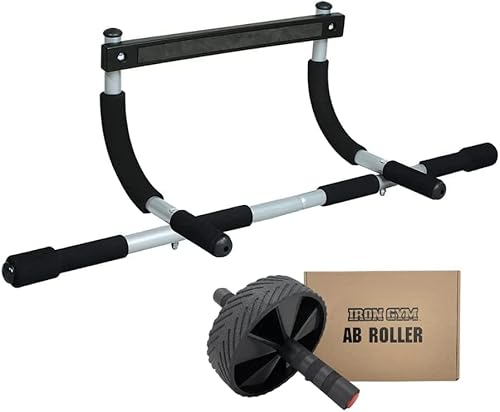
- ✓ Easy to install
- ✓ Versatile workout options
- ✓ Compact storage design
- ✕ Limited weight capacity
- ✕ Ab roller takes practice
| Maximum Load Capacity | Supports up to 350 lbs (159 kg) |
| Doorway Compatibility | Fits doorways 24-36 inches wide |
| Pull-Up Bar Dimensions | Adjustable to fit various door widths (specific length not provided) |
| Material | Durable steel construction (inferred for stability and strength) |
| Included Accessories | Ab roller, workout mat, assembly tools, safety bracket, workout guide |
| Storage | Disassembles easily for flat storage |
Unboxing the Iron Gym Pull-Up Bar felt like opening a compact, sturdy tool that promises to turn any doorway into a mini gym. The metal feels solid, with a matte black finish that’s sleek and minimalistic.
The included ab roller and mat add a surprising touch of versatility that immediately caught my attention.
Installing it was surprisingly quick—less than five minutes, thanks to clear instructions and the safety bracket. It clicks securely into most doorframes without any damage, which is a relief if you’re renting or just hate wall clutter.
The grip options on the bar are comfortable, and I appreciated how easily I could switch between pull-ups, chin-ups, and push-up positions.
The ab roller is smooth, with a sturdy wheel that glides well over the mat. Using it, I could feel my core engaging right away, and it’s a nice addition to a routine that tends to focus mostly on upper body.
The included workout guide is simple but effective, helping me target different muscle groups without overthinking it.
Storage is a breeze—disassembling the roller and taking the bar off takes seconds. The compact design means I can stow it under the bed or in the closet without hassle.
Overall, it feels like a well-rounded piece of equipment for someone looking to get back into shape without investing in a full gym setup.
If I had to find a flaw, the bar’s weight limit might be restrictive for some, and there’s a slight learning curve on the ab wheel for beginners. Still, for everyday use, it’s a versatile, dependable addition to your home workouts.
What Should You Assess Before Starting Your Gym Routine?
Before starting your gym routine, it’s essential to assess several key factors to ensure a safe and effective return to fitness.
- Current Fitness Level: Understanding your current fitness level helps tailor a routine that matches your abilities. If you have been inactive for a while, starting with lighter weights or lower intensity will prevent injuries and build confidence.
- Health Status: Consulting with a healthcare professional about any existing medical conditions is crucial. This ensures that your chosen exercises are safe and won’t exacerbate any health issues, allowing you to customize your routine appropriately.
- Goals: Clearly defining your fitness goals—such as weight loss, muscle gain, or improved endurance—will help structure your routine effectively. Having specific, measurable goals can motivate you and provide a clear direction for your training.
- Time Commitment: Assessing how much time you can realistically dedicate to your gym routine is vital. This will help you create a sustainable schedule that fits your lifestyle, ensuring you can consistently follow through with your workouts.
- Available Resources: Consider what equipment and facilities are available to you. Whether you are using a gym or working out at home, knowing what you have access to will help you design a routine that maximizes your resources.
- Support System: Having a support system can significantly enhance your motivation and accountability. Engaging friends, family, or a workout buddy can provide encouragement and make your return to the gym more enjoyable.
What Goals Should You Set for Your Return to the Gym?
When returning to the gym, it’s essential to set specific goals to ensure a successful and sustainable fitness journey.
- Establish a Consistent Schedule: Create a workout schedule that fits your lifestyle and commitments, aiming for at least 3-4 sessions per week. Consistency is key to building a habit, and having designated times for workouts helps prioritize fitness in your daily routine.
- Set Realistic Fitness Goals: Define clear, achievable objectives, such as increasing your strength, improving endurance, or losing a specific amount of weight. These goals should be measurable and time-bound, allowing you to track progress and adjust your routine as needed.
- Focus on Form and Technique: Prioritize learning proper form for exercises to prevent injuries and maximize effectiveness. This is particularly important when returning to the gym after a break, as it ensures that you perform movements safely and correctly.
- Incorporate a Variety of Workouts: Mix different types of workouts, such as strength training, cardio, and flexibility exercises, to keep your routine engaging and balanced. This variety not only prevents boredom but also promotes overall fitness by targeting different muscle groups and energy systems.
- Set a Nutrition Plan: Complement your gym efforts with a balanced nutrition plan tailored to your fitness goals, whether it’s to gain muscle, lose weight, or maintain energy levels. Proper nutrition supports recovery and enhances workout performance, making it a crucial component of your routine.
- Track Your Progress: Keep a journal or use fitness apps to log workouts, track weight, and monitor changes in strength or endurance. This documentation allows you to see improvements over time, which can be motivating and help you stay accountable to your goals.
- Listen to Your Body: Pay attention to how your body responds to workouts and adjust your routine accordingly. If you’re feeling fatigued or experiencing pain, it’s essential to rest and recover, as pushing through discomfort can lead to injuries and setbacks.
How Can You Structure Your Weekly Workout Plan?
Scheduled rest days are vital for recovery, as they reduce the risk of injury and allow muscles to repair and grow stronger. They can be strategically placed after intense workout days to maximize recovery.
Gradually increasing intensity ensures that your body continues to adapt and improve over time. This can be done by adding weight, increasing repetitions, or extending workout duration, helping to avoid plateaus.
Mixing up your routine not only prevents boredom but also engages different muscle groups, promoting balanced development and reducing the risk of overuse injuries. Activities could include alternating between weight training, cardio, yoga, or sports.
Tracking your progress is a powerful motivator and can provide insight into your fitness journey. By noting workouts, improvements, and personal records, you can celebrate achievements and adjust your plan as needed to stay on track.
What Types of Exercises Should You Include for Optimal Results?
The best routine for getting back to the gym includes a balanced mix of exercises that target strength, endurance, flexibility, and mobility.
- Strength Training: Incorporating strength training exercises helps build muscle mass and improve overall strength. Focus on compound movements like squats, deadlifts, and bench presses, which engage multiple muscle groups and promote functional fitness.
- Cardiovascular Exercise: Cardiovascular workouts, such as running, cycling, or swimming, enhance heart health and endurance. Aim for at least 150 minutes of moderate-intensity aerobic activity each week to improve stamina and aid in weight management.
- Flexibility Training: Flexibility exercises, including stretching and yoga, increase the range of motion in your joints and reduce the risk of injury. Incorporating these exercises into your routine can improve your performance in other physical activities and promote relaxation.
- Mobility Work: Mobility exercises focus on the ability to move freely and easily through your joints. Including dynamic stretches and mobility drills can enhance your performance and reduce stiffness, making other workouts more effective.
- Core Strengthening: Building a strong core is essential for overall stability and balance. Core exercises like planks, bridges, and rotational movements not only support good posture but also enhance performance in both strength training and cardio activities.
- Rest and Recovery: Adequate rest days and recovery practices, such as foam rolling or light activity, are crucial for muscle repair and growth. Prioritizing recovery helps prevent burnout and injuries, ensuring you can maintain consistency in your fitness routine.
How Many Days Should You Aim to Workout Each Week?
The optimal number of workout days each week can vary based on individual goals and fitness levels, but a general guideline suggests aiming for about three to five days.
- Three Days a Week: This is ideal for beginners or those returning to exercise after a break. It allows ample recovery time between sessions, which is crucial for rebuilding strength and preventing injuries.
- Four Days a Week: A balanced routine that typically includes both strength training and cardiovascular workouts. This schedule helps enhance fitness levels while still allowing for adequate recovery and can accommodate varying workout intensities.
- Five Days a Week: Suitable for those who are more experienced and looking to achieve specific fitness goals, such as weight loss or muscle gain. This routine can incorporate a mix of strength training, cardio, and flexibility exercises, but it requires careful planning to avoid overtraining.
- Active Recovery Days: Even on rest days, engaging in light activities like walking, yoga, or stretching can be beneficial. These active recovery days help maintain mobility and promote blood flow to aid muscle recovery.
- Listening to Your Body: Regardless of the set schedule, it’s essential to pay attention to how your body feels. Adjusting the frequency of workouts based on fatigue, soreness, or motivation can help prevent burnout and injuries.
What Role Does Nutrition Play in Supporting Your Return to the Gym?
Nutrition plays a crucial role in supporting your return to the gym by providing energy, aiding recovery, and enhancing performance.
- Energy Provision: Proper nutrition fuels your workouts and daily activities, ensuring you have the stamina to perform effectively. Carbohydrates are particularly important as they are the primary source of energy for high-intensity exercises, making them essential for anyone returning to the gym.
- Muscle Recovery: After a workout, your body needs nutrients to repair and build muscle tissue. Consuming a combination of protein and carbohydrates post-exercise helps stimulate muscle protein synthesis and replenish glycogen stores, which is vital for recovery and readiness for your next workout.
- Hydration: Staying well-hydrated is integral to maintaining physical performance and overall health. Dehydration can lead to fatigue, decreased strength, and impaired recovery, so drinking enough water before, during, and after exercising is essential when getting back into a gym routine.
- Weight Management: Nutrition can help manage body weight effectively, which is important for those looking to get back into shape. A balanced diet that controls calorie intake while providing the necessary nutrients supports fat loss while preserving lean muscle mass, facilitating a healthier return to gym workouts.
- Boosting Immune Function: Regular exercise can temporarily weaken the immune system, making it essential to consume nutrients that bolster immunity, such as vitamins A, C, D, and minerals like zinc. A well-rounded diet rich in fruits, vegetables, lean proteins, and whole grains helps support your immune health, allowing you to stay consistent with your gym routine.
- Enhancing Mental Focus: Proper nutrition can also improve your mental state and focus, which are critical when getting back into a gym routine. Nutrients like omega-3 fatty acids and antioxidants can enhance cognitive function and reduce exercise-related stress, helping you maintain motivation and concentration during your workouts.
How Can You Stay Motivated During Your Comeback?
Staying motivated during your comeback to the gym involves establishing a consistent routine that fosters progress and enjoyment.
- Set Clear Goals: Define specific, measurable, achievable, relevant, and time-bound (SMART) goals to provide direction and a sense of purpose. Having clear objectives can help you track progress and maintain focus, making it easier to stay motivated through your journey.
- Create a Schedule: Establish a consistent workout schedule that fits your lifestyle, making it easier to commit to the gym regularly. By treating your gym time as an important appointment, you are more likely to prioritize it and develop a habit of consistency.
- Start Slow and Progress Gradually: Begin with manageable workouts to avoid burnout or injury, and gradually increase intensity and duration as you build strength and endurance. This approach not only helps prevent discouragement but also allows your body to adapt and improve over time.
- Find a Workout Buddy: Partnering with a friend or fellow gym-goer can provide accountability and encouragement, making workouts more enjoyable. Having someone to share your goals with can also help you stay committed, as you can motivate each other and celebrate progress together.
- Mix Up Your Routine: Incorporate a variety of exercises and activities to keep your workouts fresh and exciting. This variety can prevent boredom, challenge different muscle groups, and help maintain your interest in returning to the gym regularly.
- Track Your Progress: Keep a journal or use fitness apps to log workouts, improvements, and milestones achieved. This documentation not only serves as a motivational tool by visually representing your accomplishments but also allows you to celebrate small victories along the way.
- Reward Yourself: Set up a system of rewards for reaching specific milestones or sticking to your routine. Treating yourself to something special, whether it’s new workout gear or a favorite meal, can reinforce positive behaviors and keep you motivated throughout your comeback.