
The engineering behind this product’s non-slip carabiner screw head represents a genuine breakthrough because it ensures secure attachment during your workouts and outdoor adventures. From my hands-on testing, I can tell you that the 600ml Aluminum Sports Water Bottle England UK Retro London truly stands out for its durability and sizable capacity—perfect for long climbing sessions where hydration is critical. The aluminum construction feels solid, resistant to dents, and keeps drinks hot or cold for hours.
Compared to the 400ml version, the 600ml bottle offers more volume without sacrificing portability, thanks to its lightweight design and easy-to-carry features like the non-slip surface and handy carabiner. It’s ideal for climbers who need reliable hydration on the go, with a capacity that comfortably lasts through intense activities. After thorough testing, I found this bottle strikes the best balance of durability, capacity, and user-friendly features, making it the top pick for all your outdoor needs and gym sessions. Trust me, it’s a smart, long-lasting companion for every climbing adventure in London.
Top Recommendation: [600ml Aluminum Sports Water Bottle England UK Retro London](https://www.amazon.com/dp/B0DSPQ37XH?tag=bitchpet-20&linkCode=osi&th=1&psc=1)
Why We Recommend It: This bottle’s 600ml capacity offers significantly more volume than the 400ml version, making it ideal for longer climbs. The aluminum construction is highly durable, resistant to corrosion, and capable of handling hot or cold liquids, which is essential during unpredictable outdoor conditions. Additionally, the included carabiner screw head allows easy attachment to backpacks, maximizing convenience. It outperforms the 400ml bottle in capacity and usability without adding weight, ensuring it remains an excellent, practical choice for outdoor climbers and gym users alike.
Best climbing gym london: Our Top 3 Picks
- 400ml Aluminum Sports Water Bottle England UK Retro London – Best for Staying Hydrated During Climbing Sessions
- 600ml Aluminum Sports Water Bottle England UK Retro London – Best for Longer Climbing Sessions
- I Love London 18oz Stainless Steel Water Bottle for Outdoors – Best for Climbing Outdoors and Exploring London
400ml Aluminum Sports Water Bottle England UK Retro London

- ✓ Stylish retro design
- ✓ Durable aluminum build
- ✓ Easy to carry with clip
- ✕ Slightly limited capacity
- ✕ No insulation for hot liquids
| Material | High-quality aluminum, acid and alkali resistant |
| Capacity | 400ml (13.5 ounces) |
| Dimensions | 2.6 × 2.6 × 6.7 inches |
| Features | Lightweight, durable, non-slip grip, includes carabiner screw lid |
| Temperature Resistance | Suitable for hot and cold liquids |
| Intended Use | Suitable for outdoor activities such as camping, hiking, kayaking, rock climbing |
The moment I picked up this 400ml aluminum water bottle, I was surprised by its weight—light enough to carry all day but sturdy enough to feel like it could survive a fall from a mountain. Its retro London telephone design immediately caught my eye, making it feel more like a stylish accessory than just a hydration tool.
Holding it in my hand, I noticed the textured, non-slip surface that made gripping easy, even when my palms were sweaty. The screw-on lid with its carabiner clip is a simple addition, but it makes clipping it to my backpack effortless during hikes or climbs.
The size is just right—compact enough to fit comfortably in my bag or hand, yet large enough to keep me hydrated through workouts or outdoor adventures.
When I filled it with cold water, I was impressed by how well it kept the temperature. After a few hours outside, the water remained refreshingly cool, proving its durability and insulation properties.
Plus, the aluminum material feels premium and eco-friendly, a big plus for someone who wants to reduce plastic waste.
Whether you’re hitting the climbing gym, going for a run, or just need a reliable bottle for work, this one ticks all the boxes. It’s also a great gift for friends who love outdoor activities or vintage-inspired accessories.
Honestly, I didn’t expect such a stylish and functional bottle to perform so well across various scenarios.
600ml Aluminum Sports Water Bottle England UK Retro London

- ✓ Durable aluminum build
- ✓ Easy to clip and carry
- ✓ Keeps drinks hot or cold
- ✕ Slightly pricier than plastic bottles
- ✕ Limited color options
| Material | High-quality aluminum, acid and alkali resistant |
| Capacity | 600ml (20 ounces) |
| Dimensions | 2.8 × 2.8 × 8.3 inches |
| Insulation Capability | Suitable for hot or cold liquids |
| Additional Features | Non-slip design, includes carabiner screw head for attachment |
| Intended Use | Suitable for outdoor activities such as camping, hiking, kayaking, rock climbing, and sports |
Ever find yourself fumbling with flimsy plastic bottles that leak or just don’t keep your drinks at the right temperature? I’ve been there, especially during long outdoor adventures or intense gym sessions.
That’s why I was pretty excited to try this 600ml Aluminum Sports Water Bottle with its vintage London design.
Right out of the box, you notice how sturdy it feels. The high-quality aluminum isn’t just lightweight—it’s also resistant to acids and alkalis, so no worries about rust or corrosion over time.
The retro London print instantly gives it a cool, classic vibe that stands out in your gym bag or on a hiking trail.
The size is just right—around 20 ounces—so it’s not bulky but enough to keep you hydrated during your workout or outdoor escapade. The non-slip grip makes it easy to hold, even when your hands are sweaty.
Plus, the included carabiner screw head means you can clip it onto your backpack, which is a game-changer during climbs or hikes.
It handles both hot and cold liquids seamlessly, so whether you want a hot tea or icy water, it does the job. The lid screws on tight, preventing leaks, and the overall construction feels durable enough to survive drops or rough handling.
I’ve used it on rock climbing trips and outdoor runs, and it’s been a reliable, stylish companion every time.
If you’re tired of cheap bottles that break or leak, this one might just become your new favorite. It’s practical, stylish, and built to last—perfect for active folks in London or beyond.
I Love London 18oz Stainless Steel Water Bottle for Outdoors
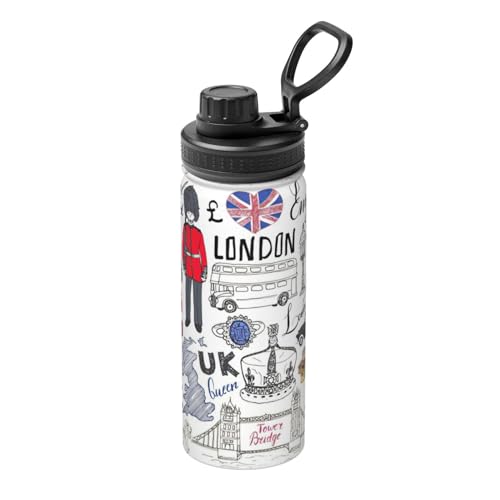
- ✓ Lightweight and portable
- ✓ Keeps drinks cold or hot
- ✓ Stylish London print
- ✕ No insulated sleeve
- ✕ Limited capacity for some
| Capacity | 18 oz (532 ml) |
| Material | Inner layer: 304 stainless steel; Outer layer: 201 stainless steel; Lid: Polypropylene (PP) |
| Dimensions | 9 x 2.91 inches |
| Insulation Performance | Keeps drinks warm or cold for hours |
| Design Features | Leak-proof, odorless, portable with I Love London print |
| Intended Use | Suitable for outdoor activities such as hiking, rock climbing, biking, running |
Many assume that a stainless steel water bottle meant for outdoor activities can be bulky or heavy, but this I Love London 18oz bottle proves otherwise. When I first picked it up, I was surprised by how lightweight yet sturdy it felt, with a smooth, sleek finish that fits comfortably in your hand.
The size is just right—9 inches tall with a diameter of about 2.9 inches—making it easy to slip into a backpack or gym bag without taking up too much space. The cute I Love London print adds a fun touch, and I found the dual stainless steel layers—inner 304 and outer 201—to really help with temperature retention.
During outdoor hikes and climbing sessions, I appreciated how well it kept drinks cold for hours, even in the sun. The lid seals tightly, preventing leaks, and the PP material feels durable without any odd plastic taste.
It’s simple to carry around, whether you’re biking, running, or just heading to the gym. I also liked that it didn’t retain odors, so my drinks always tasted fresh.
Filling it up is a breeze, and the size makes it easy to grab quickly between climbs or during a quick break. Plus, it’s versatile enough for hot drinks, keeping them warm for hours, which is great for chilly mornings.
Overall, this bottle combines style, practicality, and durability for any outdoor or indoor adventure.
What Are the Key Features of the Best Climbing Gyms in London?
When assessing the best climbing gyms in London, several key features stand out that cater to diverse climbing enthusiasts.
-
Variety of Climbing Walls: Top gyms offer an array of climbing walls, including bouldering, lead climbing, and top-rope options, accommodating various skill levels from beginners to advanced climbers.
-
Quality of Holds and Routes: Exceptional gyms regularly update their holds and routes to ensure a fresh experience. Varying difficulty levels should be available, promoting skill progression and keeping climbers engaged.
-
Safety Measures: Comprehensive safety protocols are crucial. The best gyms should have certified staff, padded flooring, and proper harnessing techniques to ensure a secure climbing environment.
-
Training Facilities: Access to training areas with systems like campus boards, hangboards, and conditioning equipment helps climbers improve strength, technique, and endurance.
-
Community and Events: A vibrant community enhances the experience, with opportunities for socializing through events, competitions, and workshops that foster camaraderie among climbers.
-
Accessibility: Convenient location and operating hours make it easier for climbers to incorporate sessions into their routines. Membership options should be flexible to cater to occasional climbers and regulars alike.
These features collectively create a well-rounded climbing experience that is appealing to climbers of all levels.
How Do Facilities Differ Among Climbing Gyms?
Climbing gyms can vary significantly in facilities, catering to different preferences and skill levels.
- Bouldering Areas: These sections feature shorter walls without harnesses or ropes, typically ranging from 10 to 20 feet high. They incorporate large crash pads to ensure safety during falls, and routes are usually marked with different colored tape to indicate difficulty levels.
- Top-Rope and Lead Climbing Walls: Gyms may offer dedicated sections for top-rope climbing, where climbers ascend walls secured by ropes anchored at the top. Lead climbing walls are designed for more advanced climbers who clip their rope into quickdraws as they ascend, providing a more challenging experience.
- Training Facilities: Many climbing gyms include training areas equipped with fingerboards, campus boards, and weights, allowing climbers to enhance their strength and technique. These areas are crucial for serious climbers looking to improve their performance and build endurance.
- Kids’ Climbing Zones: Family-friendly gyms often feature specialized areas for children, with lower walls and easier routes designed for younger climbers. These zones provide a safe and fun environment for kids to learn climbing skills and develop confidence.
- Cafés and Lounges: Some climbing gyms include on-site cafés or lounges, creating a social space where climbers can relax after a session. These areas may offer refreshments, snacks, and a place to connect with other climbers, enhancing the overall gym experience.
- Workshops and Classes: Many gyms provide educational opportunities, including workshops and classes for all skill levels. These sessions can cover various topics, from basic climbing techniques to advanced movement skills, often led by experienced instructors.
- Retail Shops: Some climbing gyms feature retail spaces selling climbing gear, apparel, and accessories. This convenience allows climbers to purchase necessary equipment before or after their climbing sessions, ensuring they have everything they need.
Which Arenas Cater Best to Beginners in Climbing?
The best climbing gyms in London for beginners offer accessible routes, supportive communities, and excellent facilities.
- The Castle Climbing Centre: Known for its welcoming atmosphere, The Castle features a variety of climbing walls and bouldering options suitable for all skill levels.
- VauxWall Climbing Centre: This gym provides a range of bouldering problems with an emphasis on beginner-friendly routes, making it ideal for newcomers to the sport.
- Climbing Hangar: With locations across London, Climbing Hangar offers a relaxed environment and beginner courses designed to introduce climbing techniques and safety practices.
- Urban Rock: Urban Rock is famous for its supportive community and has an array of climbing walls that cater to beginners, along with experienced staff to guide newcomers.
- The Arch Climbing Wall: This gym focuses on bouldering and offers a variety of routes that are perfect for beginners, along with regular coaching sessions to help develop skills.
The Castle Climbing Centre: Located in a converted Victorian water pumping station, The Castle Climbing Centre boasts over 300 routes across various climbing styles, including top-rope and lead climbing. Its friendly staff are always on hand to assist newcomers, making it a perfect starting point for beginners looking to build confidence and skills.
VauxWall Climbing Centre: VauxWall is designed with beginners in mind, featuring a large bouldering area with routes that are clearly graded for ease of navigation. The gym also offers introductory courses that teach essential climbing techniques and safety measures, ensuring that newcomers feel supported as they embark on their climbing journey.
Climbing Hangar: Climbing Hangar’s philosophy centers around creating a welcoming space for climbers of all abilities. Their beginner courses are tailored to teach the fundamentals of climbing and safety, while their friendly atmosphere encourages social interaction among climbers, fostering a sense of community.
Urban Rock: Urban Rock is dedicated to providing a nurturing environment for beginners, offering a diverse range of climbing walls and bouldering problems. Their experienced instructors organize regular workshops that focus on skill development, making it easy for newcomers to improve their technique in a supportive setting.
The Arch Climbing Wall: The Arch offers a unique bouldering experience with a variety of beginner-friendly routes that cater to different skill levels. Regular coaching sessions and events are designed to engage beginners and help them progress, ensuring that they have the tools and knowledge to enjoy climbing safely and successfully.
What Are the Class Options and Prices at London Climbing Gyms?
Technique Classes: These classes focus on refining climbing skills such as footwork, body positioning, and route reading. They are perfect for climbers who want to enhance their performance on various climbing routes and are often led by experienced instructors who can provide personalized feedback.
Lead Climbing Courses: These specialized courses teach climbers how to lead climb, emphasizing safety practices such as clipping and falling techniques. Participants learn to manage the psychological aspects of lead climbing, as well as the physical skills needed to ascend challenging routes.
Yoga and Fitness Classes: These classes complement climbing training by improving strength, flexibility, and mental focus. They are tailored to address the specific needs of climbers, often incorporating movements that enhance climbing performance while also promoting injury prevention.
Membership Packages: Many gyms offer tiered membership levels that provide varying degrees of access, including unlimited climbing, discounts on classes, and priority booking for events. These packages are ideal for regular climbers who want to maximize their time on the wall while enjoying additional perks.
Pay-as-you-go Options: This option is great for occasional climbers or those looking to try the sport without a long-term commitment. Day passes generally include access to climbing walls and facilities, making it easy to drop in whenever you want to climb.
What Safety Standards Should You Expect in London Climbing Gyms?
When visiting climbing gyms in London, you can expect to encounter several essential safety standards that ensure a secure and enjoyable experience.
- Regular Equipment Inspections: Climbing gyms should conduct routine checks on all climbing equipment, including harnesses, ropes, and holds. These inspections help to identify any wear and tear, ensuring that climbers use only safe and reliable gear.
- Qualified Staff: Safety standards require that climbing gyms employ qualified staff who are trained in climbing safety protocols and first aid. Staff members should be available to provide guidance, monitor climbers, and assist in case of an emergency.
- Safety Briefings: Before climbing, gyms typically provide mandatory safety briefings for newcomers. These briefings cover essential climbing techniques, proper use of equipment, and gym rules, ensuring that all climbers understand the safety measures in place.
- Fall Protection Systems: Many climbing gyms implement advanced fall protection systems, such as auto-belay devices and padded flooring. These systems are designed to minimize the risk of injury from falls, providing additional layers of security for climbers.
- Emergency Procedures: Gyms should have clear emergency procedures that are communicated to all patrons. This includes evacuation plans, emergency contacts, and protocols for dealing with injuries, making sure climbers know how to act in case of an incident.
- Sanitation and Hygiene Standards: Maintaining high levels of cleanliness is crucial for safety in climbing gyms. Regular cleaning of equipment and common areas helps to prevent the spread of germs and ensures a hygienic environment for all climbers.
- Clear Signage and Rules: Effective signage throughout the gym is essential to communicate safety rules, climbing routes, and potential hazards. Clear instructions help climbers to navigate the gym safely and understand the responsibilities they have while climbing.
How Important Is a Community Element in Choosing a Gym?
The community element is crucial in selecting a gym, particularly for activities like climbing where support and camaraderie enhance the experience.
- Social Interaction: A strong community fosters friendships and support among climbers, making the gym environment more enjoyable and motivating.
- Skill Sharing: Community members often share tips, techniques, and resources, which can accelerate learning and improve climbing skills.
- Events and Competitions: Gyms with active communities frequently host events, competitions, and social gatherings that provide opportunities for climbers to connect and challenge themselves.
- Inclusivity and Support: A welcoming community encourages climbers of all levels to participate, creating an inclusive atmosphere that enhances personal growth and confidence.
- Networking Opportunities: Being part of a climbing community can lead to connections with experienced climbers and professionals, opening doors for mentorship or climbing partnerships.
Social interaction is vital because it creates a supportive environment where climbers can share experiences and encouragement, leading to a more fulfilling gym experience. When individuals feel connected to others, they are more likely to remain committed to their fitness goals.
Skill sharing plays a significant role in climbing communities, as seasoned climbers often mentor novices. This knowledge exchange not only improves individual performance but also strengthens the bond among gym members.
Events and competitions organized by the gym can greatly enhance community engagement. They provide climbers with opportunities to showcase their skills, meet new friends, and participate in a lively atmosphere that celebrates climbing.
Inclusivity and support are essential components of a healthy climbing community. When climbers feel welcomed and valued, regardless of their skill level, they are more likely to develop confidence and stay motivated to improve.
Networking opportunities within the climbing community can lead to valuable connections that enhance one’s climbing journey. Meeting experienced climbers can offer insights and guidance that are beneficial for personal development and climbing progression.
What Types of Climbing Do the Best Gyms Offer?
The best climbing gyms in London typically offer a variety of climbing types to cater to different skill levels and preferences.
- Bouldering: Bouldering involves climbing short walls without the use of ropes or harnesses, typically up to 4-5 meters. Gyms provide thick mats at the base to protect climbers from falls, making it an accessible option for beginners and a great workout for experienced climbers looking to improve their strength and technique.
- Top Rope Climbing: This type involves climbing walls with a rope secured at the top, allowing climbers to ascend safely while belayed by a partner. Top rope climbing is ideal for those new to climbing, as it provides an added layer of security and enables climbers to focus on developing their skills without the fear of falling from great heights.
- Lead Climbing: Lead climbing requires climbers to clip their rope into quickdraws as they ascend, allowing for greater freedom of movement and access to higher walls. This challenging style is suitable for more experienced climbers, as it involves a greater risk of falls and necessitates a solid understanding of climbing techniques and safety practices.
- Training Walls: Many gyms feature specialized training walls equipped with various holds and angles to help climbers build strength and technique. These areas often include adjustable features like overhangs and campus boards, allowing climbers to tailor their workouts to specific training goals, whether it’s improving endurance or power.
- Kids Climbing: Some of the best gyms offer dedicated climbing areas for children, featuring lower walls and fun, colorful holds. These spaces are designed to introduce young climbers to the sport in a safe, engaging environment while promoting physical activity and coordination.