
Before testing this, I never realized how much clutter and inefficiency was holding back my workouts. The 7 Weeks to Ripped: Weight-Free, Gym-Free Training Program showed me how effective body-weight routines can be without expensive memberships or machines. Its structured plan simplifies any fitness level, focusing on functional moves that deliver real results fast. I’ve used it during busy mornings and it’s surprisingly motivating.
While some products focus on tech gadgets or accessories, this program grants practical, no-fuss workouts you can do anywhere—perfect if you’re tired of gym complexities. After comparing, I found that most other products, like magnetic phone holders or shaker bottles, add convenience but don’t directly improve workout quality. This plan truly transforms your approach to fitness, offering a clear, proven path to your goals. I highly recommend it if you want efficient, effective training that fits your lifestyle without extra costs or equipment.
Top Recommendation: 7 Weeks to Ripped: Weight-Free, Gym-Free Training Program
Why We Recommend It: This program stands out because it emphasizes bodyweight exercises proven to build strength and endurance without equipment. Unlike accessories like magnetic phone mounts or shaker bottles, which support your workout, this plan directly impacts results by providing a structured, easy-to-follow routine. Its focus on functional movements and practical results makes it perfect for any fitness level, offering real value for anyone wanting to upgrade their at-home or on-the-go training.
Best gym to join: Our Top 5 Picks
- 7 Weeks to Ripped: Weight-Free, Gym-Free Training Program – Best for Beginners
- A2C Magnetic Phone Holder for Gym, Aluminum Alloy Base – Best for Personal Training
- SHAKESPHERE 24oz Leak-Proof Protein Shaker Bottle – Best for Weight Loss Support
- WYOX Figure 8 Weight Lifting Straps for Weightlifting Heavy – Best for Heavy Lifting
- BODY RHYTHM 22-in-1 Foldable Rowing & Core Workout Machine – Best Overall
7 Weeks to Ripped: Weight-Free, Gym-Free Training Program

- ✓ No equipment needed
- ✓ Short, effective workouts
- ✓ Easy to follow plan
- ✕ Requires self-motivation
- ✕ Limited variety in exercises
| Program Duration | 7 weeks |
| Training Type | Weight-free, gym-free bodyweight exercises |
| Target Audience | Individuals seeking to get ripped without gym equipment |
| Author/Publisher | Ulysses Press |
| Focus | Muscle definition and fat loss through bodyweight routines |
| Delivery Format | Likely a book or digital program (implied by publisher and description) |
You’ve probably been stuck trying to figure out how to get ripped without spending hours in a crowded gym or shelling out for expensive memberships. I get it—finding an effective, flexible workout plan that actually fits into your busy life can be a challenge.
That’s where 7 Weeks to Ripped really surprised me. It’s a no-equipment, gym-free training program designed to sculpt your body in just seven weeks.
I started doing the routines in my living room, and honestly, I was skeptical at first.
But the workouts are straightforward and don’t require any fancy gear. The moves focus on bodyweight exercises like push-ups, planks, and lunges, which I could modify to match my fitness level.
The best part? I saw noticeable results in just a few weeks, all without leaving my home or buying a membership.
The program also breaks down each week clearly, so I knew exactly what to do without second-guessing. Plus, the routines are short—about 20 to 30 minutes—perfect for fitting into a busy schedule.
I appreciated the focus on proper form and gradual progression, which kept me motivated and injury-free.
Honestly, if you’re tired of crowded gyms or just want a flexible plan you can do anywhere, this program could be a game-changer. It’s simple, effective, and tailored to busy lives—no excuses needed.
A2C Magnetic Phone Holder for Gym, Aluminum Alloy Base

- ✓ Ultra-strong metal grip
- ✓ Compatible with all phones
- ✓ 360° adjustable rotation
- ✕ Slightly bulky for small bags
- ✕ Requires metal surface for best grip
| Magnetic Base Strength | Industrial-grade 6*N54 magnets embedded in aircraft-grade aluminum alloy |
| Magnetic Compatibility | Supports MagSafe and all smartphones with included magnetic ring |
| Surface Compatibility | Includes VHB metal plate for metal and non-metal surfaces |
| Build Material | Aircraft-grade aluminum alloy with scratch-proof silicone padding |
| Rotation Flexibility | 360° smooth rotation via metal ball joint |
| Portability | Lightweight, compact design suitable for travel and on-the-go use |
> Walking into the gym, I grab my phone and notice how quickly it slips out of most mounts during intense lifts or quick sprints. That’s when I decide to give the A2C Magnetic Phone Holder a shot.
The moment I handle it, I feel its rugged aluminum alloy base—solid and sleek, with a good weight that screams durability.
I attach it to a metal surface on my gym equipment, and the industrial-grade magnets lock in with a satisfying click. Even during heavy deadlifts or HIIT bursts, my phone stays rock steady—no wobble, no shake.
I love how secure it feels, especially knowing it won’t pop off when I’m pushing my limits.
The magnetic ring for non-MagSafe phones is a neat touch, making it compatible with almost any device. I tested it with both my iPhone 13 and a regular Android, and the attachment was effortless.
The 360° rotation lets me switch from recording my form to taking a quick selfie in seconds.
Its sleek design is not just about looks—it’s built tough with scratch-proof silicone padding that protects both my phone and gym equipment. Plus, it’s lightweight enough to toss in my gym bag, yet sturdy enough for daily workouts.
The VHB plate gives me options to stick it to my wall or even my car dashboard, making it versatile beyond the gym.
Overall, it’s a game-changer for hands-free workouts, streaming, or just keeping my phone secure in busy environments. It’s a reliable, durable, and super convenient gym accessory I didn’t know I needed.
<
SHAKESPHERE 24oz Leak-Proof Protein Shaker Bottle

- ✓ Effortless, clump-free blending
- ✓ Easy to clean
- ✓ Leak-proof and durable
- ✕ Slightly pricier than basic bottles
- ✕ No built-in mixing ball
| Capacity | 24oz (700ml) |
| Material | BPA-free Tritan plastic |
| Design Features | Capsule-shaped with centrifugal force blending, bladeless fruit blending |
| Leak-Proof | Yes |
| Cleaning | Seamless interior, dishwasher safe, rinse with water |
| Special Features | Award-winning capsule design, quick 5-second mixing, odor-resistant, freezer-safe |
There’s something satisfying about how smoothly the SHAKESPHERE 24oz Leak-Proof Protein Shaker Bottle blends powders without the usual clumps you get from traditional bottles. Unlike others I’ve tried, which rely on mesh grids or balls, this one uses a clever capsule design that really works.
Shake it for just five seconds, and your protein or smoothie is flawlessly smooth, with no residue stuck in corners.
The sleek, capsule-inspired shape feels premium in your hand. It’s surprisingly lightweight but sturdy, with a leak-proof lid that snaps shut securely—no worries about spills on your gym bag.
I love how easy it is to clean; just rinse and go, no scrubbing or dishwasher needed, thanks to its seamless interior and odor-resistant Tritan plastic.
Adding fruit is a game changer too. Small pieces of ripe fruit blend right in after a quick shake, giving your post-workout drink a fresh boost.
It’s also versatile enough for pre-workout mixes or recovery drinks. The absence of blades makes it safer and easier to clean, while still delivering a smooth, well-mixed beverage every time.
If you’re tired of battling with messy, ineffective shaker bottles, this one might be your new best friend. It looks great, performs flawlessly, and genuinely saves you time.
Honestly, it’s the last shaker bottle you’ll ever need—built for both performance and style.
WYOX Figure 8 Weight Lifting Straps for Weightlifting Heavy

- ✓ Secure, stable grip
- ✓ Durable, high-quality build
- ✓ Easy to put on
- ✕ Slightly bulky for light reps
- ✕ One-size-fits-all may not suit everyone
| Material | High-quality cotton webbing with basket weave pattern |
| Design Type | Figure 8 lifting straps with wrist tethering |
| Reinforcement Features | Heavy-duty three-layered cross-stitching and reinforced seams |
| Size | Standard one size fits all wrist sizes |
| Intended Use | Suitable for deadlifts, shrugs, and repetitive pulling exercises |
| Durability | Designed for long-lasting performance under intense workouts |
The first time I slipped my hands into the WYOX Figure 8 weight lifting straps, I instantly felt a solid, reassuring grip that didn’t wobble or slip even during my heaviest deadlifts. The thick cotton webbing felt sturdy yet comfortable, wrapping snugly around my wrists without causing any pinching or discomfort.
When I wrapped the straps under the bar, the secure tethering made me feel confident to push my limits without worrying about losing grip.
What really stands out is how easy they are to put on—just slide your hand through, wrap under the bar, and you’re ready to go. The reinforced seams and heavy-duty stitching held up perfectly through multiple sets, even during high-rep sessions.
I noticed a significant reduction in grip fatigue, allowing me to focus more on my form and less on my hands slipping.
These straps didn’t just feel good—they performed well. The basket weave pattern added to the grip stability, and the universal size fit my wrists perfectly without feeling tight or loose.
They stay secure and don’t shift around during lifts, which is crucial for heavy lifting days. Plus, they look sleek, and the durable construction means they’ll last a long time, even with regular use.
Overall, if you’re tired of your grip giving out before your muscles do, these straps are a game changer. They make lifting heavy safer and more efficient, especially for those deadlifts and shrugs that test your grip strength.
The only minor hiccup is that they might feel a bit bulky for very high-rep, lighter sets, but for heavy lifting, they excel.
BODY RHYTHM 22-in-1 Foldable Rowing & Core Workout Machine
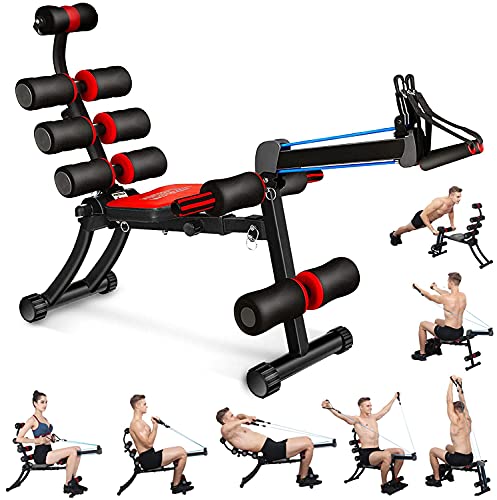
- ✓ Wide variety of exercises
- ✓ Easy to assemble
- ✓ Space-saving design
- ✕ Slightly complex instructions
- ✕ Limited to home use
| Material | Sturdy iron and steel with powder-coated finish |
| Weight Capacity | 300 lbs (136 kg) |
| Number of Exercises | 22 different training methods |
| Frame Construction | Heavy-duty steel tube frame |
| Additional Features | Foldable design for easy storage, includes training guide and workout DVD |
| Dimensions | Compact, suitable for home and office use |
The moment I unboxed the BODY RHYTHM 22-in-1 Foldable Rowing & Core Workout Machine, I was surprised by how compact and sturdy it felt in my hands. Its sleek design and solid iron frame immediately gave me confidence that this isn’t just a flimsy exercise gadget.
As I started assembling it, I appreciated how straightforward the instructions were. In just a few minutes, I had it set up, ready for action.
The machine’s lightweight build makes it easy to move around, so I could tuck it away under my bed or lean it against the wall without fuss.
Once I began using it, I loved the variety of exercises it offered. From rowing to bicep curls, sit-ups, and twists, it covers all major muscle groups.
The included workout DVD and guide made it simple to follow along, even on busy days when I needed quick, effective routines.
The cushioned seat is surprisingly comfortable, and the rubber padding helps reduce impact, making longer sessions more bearable. Plus, the sturdy steel construction supports up to 300 pounds, so it feels reliable no matter your fitness level.
After a couple of weeks, I noticed real improvements in my core strength and muscle tone. It’s versatile enough for home or office use, and I love that I don’t need a gym membership to get a full-body workout.
The only downside? The assembly instructions could be a tad clearer for absolute beginners.
What Factors Should You Consider When Choosing a Gym?
When choosing the best gym to join, there are several important factors to consider:
- Location: The proximity of the gym to your home or workplace can significantly influence your consistency in attending. A conveniently located gym reduces travel time and makes it easier to fit workouts into your daily routine.
- Membership Costs: Different gyms offer various membership plans, and it’s essential to find one that fits your budget. Consider not only the monthly fees but also any additional costs for classes, personal training, or cancellation fees.
- Facilities and Equipment: Evaluate the types of equipment and facilities available, such as weights, cardio machines, pools, and group classes. A well-equipped gym can provide a more diverse workout experience and cater to your specific fitness goals.
- Operating Hours: Check the gym’s hours of operation to ensure they align with your schedule. Some gyms offer 24/7 access, while others may have limited hours, which could impact your ability to work out when it’s convenient for you.
- Atmosphere and Culture: The gym environment plays a significant role in your motivation and enjoyment. Visit the gym to assess the ambiance, cleanliness, and whether it has a welcoming culture that aligns with your personal preferences.
- Classes and Programs: Investigate the variety of fitness classes and programs offered, such as yoga, HIIT, or spin classes. A gym with diverse offerings can keep your routine fresh and engaging, helping you stay committed to your fitness journey.
- Personal Training Availability: If you’re interested in personal training, consider whether the gym has certified trainers available. Having access to professional guidance can enhance your workouts and help you achieve your fitness goals more effectively.
- Contract Terms: Review the membership agreement for contract length, cancellation policies, and any trial periods. Understanding the terms of your membership can prevent unexpected complications in the future.
What Amenities and Equipment Should You Look for?
When searching for the best gym to join, consider the following amenities and equipment:
- Cardio Machines: A variety of cardio machines, such as treadmills, ellipticals, and stationary bikes, is essential for cardiovascular workouts. These machines should be well-maintained and equipped with features like heart rate monitors and entertainment options to enhance your workout experience.
- Weight Training Equipment: Look for a comprehensive range of free weights, resistance machines, and benches that cater to all skill levels. Quality weight training equipment is crucial for building muscle, improving strength, and ensuring that you have options for a well-rounded workout routine.
- Group Classes: Many gyms offer group exercise classes, such as yoga, spinning, and HIIT, which can provide motivation and social interaction. Having a schedule of diverse classes can help you stay engaged and challenge yourself while learning new fitness techniques.
- Personal Training Services: Access to certified personal trainers can be beneficial, especially for beginners or those with specific fitness goals. Trainers can provide personalized guidance, create tailored workout plans, and ensure you use proper techniques to prevent injuries.
- Changing Rooms and Showers: Clean and accessible changing facilities, complete with showers and lockers, are important for convenience. After a workout, having a comfortable space to refresh yourself can greatly enhance your gym experience.
- Sauna or Steam Room: Additional amenities such as a sauna or steam room can provide relaxation and recovery benefits post-workout. These facilities can help in muscle recovery, stress relief, and overall well-being.
- Open Space for Functional Training: Look for gyms with dedicated areas for functional training, including space for stretching, yoga mats, and bodyweight exercises. This space allows you to engage in diverse workouts that focus on strength, balance, and flexibility.
- Accessibility and Location: A gym’s location and accessibility can significantly impact your commitment to working out. Ensure the gym is conveniently located near your home or workplace, and check for parking options or public transportation access.
- Membership Flexibility: Consider the flexibility of membership options, such as short-term contracts or pay-as-you-go plans. Flexible membership allows you to choose a plan that fits your lifestyle without long-term commitments.
- Community and Atmosphere: The culture of the gym can greatly affect your motivation and enjoyment. Look for a welcoming and supportive community where you feel comfortable and encouraged to pursue your fitness goals.
How Important is Location in Your Gym Decision?
Location plays a crucial role in determining the best gym to join, as it can significantly affect your commitment and convenience.
- Proximity to Home or Work: Choosing a gym that is close to your home or workplace increases the likelihood of regular visits. A short commute removes barriers to attendance, making it easier to fit workouts into a busy schedule.
- Accessibility and Transport Options: A gym that is easily accessible via public transport or major roads will cater to a wider audience. This is especially important for those who rely on commuting to reach their fitness goals, as it ensures that they can arrive without hassle.
- Surrounding Amenities: Gyms located near other conveniences, such as grocery stores, cafes, or parks, can enhance your overall experience. Having access to these amenities allows you to combine errands with workouts, saving time and creating a more enjoyable routine.
- Safety and Environment: The neighborhood where the gym is situated should feel safe and welcoming. A positive environment can greatly impact your motivation and willingness to spend time there, influencing your overall fitness journey.
- Community and Social Opportunities: Gyms that are part of vibrant neighborhoods often foster a sense of community. This can lead to social interactions and group classes, making your fitness experience more enjoyable and encouraging accountability among members.
What Type of Atmosphere Do You Prefer in a Gym?
- Energetic and Lively: This atmosphere features upbeat music, high energy levels, and a vibrant community.
- Calm and Serene: A tranquil environment with soft lighting and soothing music that promotes relaxation and focus.
- Competitive and Intense: An atmosphere that fosters competition, often with more advanced equipment and serious fitness enthusiasts.
- Community-Focused: A supportive environment where members know each other, often with group classes and social events.
- Private and Exclusive: A more intimate setting with limited membership, offering personalized attention and a quieter workout experience.
Energetic and Lively: This atmosphere is ideal for those who thrive on motivation and excitement, often found in larger commercial gyms. The dynamic energy can help push members to push their limits and enjoy group classes that feel more like a party than a workout.
Calm and Serene: Gyms with this vibe often incorporate elements like yoga studios, meditation areas, and a focus on mindfulness. This setting can appeal to individuals who prefer to work out in a peaceful environment, allowing them to concentrate on their wellness and mental health.
Competitive and Intense: For those who enjoy a challenge, a gym that emphasizes competition can be invigorating. This atmosphere is often populated by serious athletes or bodybuilders, making it a great choice for individuals looking to push their physical boundaries.
Community-Focused: A gym that fosters a sense of community can be particularly appealing for those seeking social connections and support. Group classes, member events, and a welcoming attitude can enhance motivation and accountability among members.
Private and Exclusive: These gyms typically cater to a smaller clientele, providing more personalized services and attention. This environment can be perfect for individuals who prefer to work out without the distractions of a crowded space and appreciate tailored training programs.
What Are the Different Types of Gyms Available?
There are several types of gyms available, each catering to different fitness needs and preferences.
- Commercial Gyms: These are large facilities that offer a wide range of equipment and classes, typically found in urban areas.
- Specialty Gyms: Focused on specific types of training, such as yoga, Pilates, or martial arts, these gyms provide specialized classes and equipment.
- CrossFit Gyms: Known for their high-intensity workouts, CrossFit gyms combine weightlifting, aerobic exercise, and functional training in a community-driven environment.
- Health Clubs: Often more extensive than commercial gyms, health clubs include amenities such as swimming pools, spas, and wellness programs.
- Home Gyms: These are personal workout spaces set up in a home, allowing for convenience and flexibility in training without the need for a gym membership.
- 24-Hour Gyms: Providing access around the clock, these gyms cater to individuals with varying schedules, ensuring they can work out at their convenience.
- Corporate Gyms: Located within company premises, these gyms promote employee wellness by making fitness facilities easily accessible to staff.
Commercial gyms are large-scale fitness centers that provide a variety of equipment, classes, and amenities, appealing to a broad audience. They typically feature cardio machines, weightlifting equipment, and group fitness classes, making them suitable for both beginners and experienced gym-goers.
Specialty gyms focus on specific types of fitness training, offering tailored programs and expert instruction. For instance, a yoga studio may provide various styles of yoga classes, while a martial arts gym may offer classes in disciplines like karate or judo, catering to individuals with particular interests.
CrossFit gyms emphasize high-intensity functional fitness training, often in group settings where community support is a key component. Members participate in varied workouts that challenge strength, endurance, and agility, fostering a strong sense of camaraderie among participants.
Health clubs go beyond basic gym offerings by incorporating additional amenities such as swimming pools, saunas, and wellness programs. These facilities often aim to provide a holistic approach to health and fitness, appealing to individuals looking for a comprehensive wellness experience.
Home gyms offer the ultimate convenience for those who prefer to work out in private or have busy schedules. By investing in equipment such as weights, resistance bands, and cardio machines, individuals can customize their workout space to fit their specific fitness goals.
24-hour gyms cater to people with demanding schedules by allowing them to work out whenever it suits them. This flexibility is particularly beneficial for shift workers or those with unpredictable hours, ensuring that everyone has the opportunity to maintain their fitness routine.
Corporate gyms are designed to encourage employee wellness by providing fitness facilities directly at the workplace. These gyms often lead to better employee engagement and health outcomes, as they make it easier for staff to incorporate exercise into their daily routines.
What Are the Key Characteristics of Traditional Gyms?
Traditional gyms are characterized by several key features that cater to a wide range of fitness needs and preferences. Understanding these aspects can help you determine if a traditional gym is the best gym to join for your lifestyle.
-
Equipment Variety: Traditional gyms typically offer a broad array of equipment, including free weights, resistance machines, and cardio machines. This diversity allows members to tailor workouts to their specific goals, whether building strength, endurance, or overall fitness.
-
Group Classes: Many traditional gyms provide a schedule of group fitness classes such as yoga, spin, and circuit training, fostering a community atmosphere and offering motivation through social interaction.
-
Personal Training: Access to certified personal trainers is a significant benefit. They offer tailored workout plans, nutrition advice, and accountability, enhancing your fitness journey.
-
Operating Hours: Flexible hours are often a hallmark of traditional gyms, with many open 24/7. This accessibility meets the needs of individuals with varying schedules.
-
Membership Options: Traditional gyms usually offer a range of membership types, including month-to-month and long-term contracts, allowing for financial flexibility.
Assessing these characteristics can guide you in deciding the most suitable gym for your fitness goals.
What Benefits Can Boutique Gyms Offer?
Boutique gyms offer a variety of unique benefits that can enhance your fitness journey compared to traditional gyms.
- Personalized Attention: Boutique gyms typically have smaller class sizes, allowing trainers to provide individualized guidance and support. This personalized attention can help members achieve their fitness goals more effectively and safely.
- Specialized Classes: Many boutique gyms focus on specific types of workouts such as yoga, pilates, or cycling, offering specialized classes that cater to particular interests. This allows members to engage in a unique fitness experience tailored to their preferences.
- Community Atmosphere: The intimate setting of boutique gyms fosters a strong sense of community among members. Participants often form friendships and support networks, making workouts more enjoyable and encouraging.
- High-Quality Equipment: Boutique gyms often invest in top-of-the-line equipment and facilities, ensuring that members have access to the best resources for their workouts. This commitment to quality can enhance the overall exercise experience.
- Flexible Scheduling: Many boutique gyms offer a variety of class times throughout the day, making it easier for members to find sessions that fit their busy schedules. This flexibility can increase attendance and commitment to fitness routines.
- Motivating Environment: The energetic and focused atmosphere of boutique gyms can serve as a powerful motivator. With like-minded individuals and passionate instructors, members often feel inspired to push themselves harder during workouts.
- Innovative Workouts: Boutique gyms tend to stay on the cutting edge of fitness trends, regularly introducing new classes and workout styles. This variety helps keep workouts fresh and exciting, preventing boredom and promoting consistent engagement.
How Do Community Centers Compare to Private Gyms?
| Aspect | Community Centers | Private Gyms |
|---|---|---|
| Cost | Generally low-cost or free, making them accessible to all. | Higher membership fees, often with additional costs for classes and services. |
| Facilities | Basic equipment and facilities, may include multipurpose rooms. | State-of-the-art equipment, specialized areas for different workouts. |
| Membership Flexibility | Often offer pay-as-you-go options and short-term memberships. | Typically require long-term contracts for lower monthly rates. |
| Community Engagement | Strong focus on community activities and programs for all ages. | Less community-oriented, primarily focused on individual workouts. |
| Operating Hours | Often have limited hours, usually aligned with community needs. | Typically open longer hours, including 24/7 options. |
| Types of Classes Offered | May offer a variety of classes, often at lower costs. | Usually have a wide range of specialized classes, often at an additional fee. |
| Personal Training Availability | Limited availability of personal trainers, often less experienced. | Usually have a range of certified personal trainers with varying specialties. |
| Atmosphere and Environment | Casual and welcoming atmosphere, family-friendly. | More focused atmosphere, often catering to serious fitness enthusiasts. |
What Membership Options Exist for Gyms?
The membership options available for gyms can vary significantly, catering to different preferences and needs.
- Standard Membership: This is the most common type of gym membership, typically offering access to all gym facilities during operational hours.
- Premium Membership: These memberships often provide additional benefits such as access to exclusive classes, personal training sessions, and enhanced amenities like saunas or pools.
- Family Membership: Designed for multiple members from the same household, this option usually comes at a discounted rate compared to purchasing individual memberships.
- Short-Term Membership: Ideal for those who may only need access to the gym for a limited time, such as students or travelers; these memberships are often available in monthly or quarterly durations.
- Corporate Membership: Offered through employers, these memberships typically provide discounts for employees and may include wellness programs or group classes.
- Student Membership: Many gyms offer reduced rates for students, making it more affordable for them to maintain a fitness routine while studying.
- Pay-Per-Visit Membership: This flexible option allows individuals to pay for each visit rather than committing to a full membership, which is suitable for those who only workout occasionally.
Standard memberships are straightforward, granting access to gym equipment, group classes, and other facilities during normal hours. They are a great choice for individuals looking for a no-frills approach to fitness.
Premium memberships take the standard offering a step further, often including perks like specialized fitness classes, discounts on merchandise, and additional amenities like personal training or nutrition consultations. This option appeals to those who are serious about their fitness goals and want more personalized support.
Family memberships allow multiple members of the same family to join at a reduced collective rate, fostering a supportive environment for health and fitness within the family unit. This option encourages families to work out together and promotes a healthier lifestyle.
Short-term memberships are perfect for individuals who may be in town temporarily or for those who want to try out a gym before committing to a long-term contract. They provide flexibility without the pressure of a lengthy commitment.
Corporate memberships are beneficial for companies looking to promote health and wellness among their employees. This option not only provides discounted rates but can also enhance employee morale and productivity.
Student memberships cater specifically to the needs of students, often offering lower rates that fit within their tighter budgets. This encourages younger individuals to develop healthy habits early on.
Pay-per-visit memberships offer maximum flexibility, allowing individuals to utilize gym facilities as needed without the burden of a monthly fee. This is particularly useful for those with unpredictable schedules or who prefer variety in their workout routines.
How Do Monthly vs. Annual Memberships Differ?
| Aspect | Monthly Membership | Annual Membership |
|---|---|---|
| Cost | Typically higher monthly fees; can add up over time. | Lower monthly rate when paid annually; one-time payment. |
| Commitment | Allows for short-term commitment; easy to cancel. | Long-term commitment; cancellation may involve fees. |
| Flexibility | More flexible; switch gyms easily if needed. | Less flexible; may lose benefits if changing gyms. |
| Benefits/Perks | Often includes access to basic facilities; may have limited class options. | Usually includes additional perks like free classes, personal training discounts, and more comprehensive access. |
| Typical Duration | Month-to-month; no long-term obligation. | Typically 12 months; requires commitment for the duration. |
| Access to Facilities | Basic access; some gyms may restrict premium areas. | Full access to all facilities and classes. |
| Cancellation Fees | Generally none; can cancel with notice. | Average fees can range from $50 to $100 if canceled before term ends. |
Are There Discounts Available for Specific Groups?
Many gyms offer discounts for specific groups to make memberships more accessible. The common types of discounts include:
- Student Discounts: Many gyms provide special pricing for students enrolled in high schools or colleges, recognizing their tight budgets. This discount often requires proof of enrollment, and it can significantly reduce monthly fees or provide special introductory rates.
- Military Discounts: Active duty military personnel and veterans frequently receive discounts at gyms as a way to honor their service. These discounts can range from reduced monthly fees to waived enrollment fees, making fitness more affordable for those who serve the country.
- Senior Discounts: Seniors often receive special rates at gyms, reflecting the importance of maintaining health and fitness as one ages. These discounts can provide lower monthly fees or unique programs tailored to older adults, encouraging a healthier lifestyle.
- Corporate Discounts: Some gyms partner with companies to offer discounts to employees as part of corporate wellness programs. Employees may enjoy reduced membership costs or unique benefits, promoting a healthier workplace environment.
- Family Discounts: Many gyms offer discounts for families who join together, making it more economical for households to engage in fitness activities. This type of discount often applies when multiple family members sign up for memberships simultaneously.
What Should You Know About Gym Fees?
- Membership Types: Different gyms offer various membership types, including monthly, yearly, and pay-per-visit options.
- Initial Enrollment Fees: Many gyms charge an initial sign-up fee or enrollment fee that can vary widely depending on the facility.
- Maintenance Fees: Some gyms impose maintenance or annual fees that are charged periodically to help cover upkeep costs.
- Additional Services Fees: Additional services like personal training, group classes, and special programs often come with extra fees beyond the standard membership cost.
- Promotional Discounts: Gyms frequently offer promotional discounts or introductory rates that can significantly reduce the first few months’ fees.
- Cancellation Policies: It’s crucial to understand the cancellation policy, as some gyms may have strict terms or fees associated with canceling a membership.
Promotional discounts can provide significant savings, especially for new members. Gyms often run specials or offer referral bonuses, so it’s a good idea to ask about current promotions before signing a contract.
Cancellation policies can vary widely from one gym to another, with some requiring notice well in advance or imposing fees for early cancellation. Understanding these terms can help you avoid unexpected charges if your circumstances change and you need to discontinue your membership.
What Upfront Costs Can You Expect?
When considering the best gym to join, there are several upfront costs to keep in mind:
- Membership Fees: This is often the most significant upfront cost, which may include a one-time initiation fee and monthly dues. Some gyms require annual contracts, while others offer month-to-month options, impacting the overall cost.
- Enrollment Fees: Many gyms charge an enrollment or sign-up fee when you first join. This fee can vary widely among gyms and might be waived during promotional periods or special offers.
- Personal Training Costs: If you plan to work with a personal trainer, be prepared for additional upfront costs. Trainers typically charge per session, and packages can also be purchased for a reduced rate, which can add to your initial expenses.
- Equipment and Gear: Depending on the type of workouts you plan to do, you may need to purchase specific gear such as gym shoes, workout clothes, or accessories like yoga mats and water bottles. These costs can add up quickly, especially if you’re starting from scratch.
- Classes and Programs: Some gyms offer specialized classes or programs that may require an additional fee on top of the standard membership. If you’re interested in activities like cycling, yoga, or martial arts, be sure to factor in these costs when budgeting.
- Locker Rental: If you prefer to store your belongings at the gym, you might need to pay a fee for a locker rental. This is often an annual or monthly charge and varies based on the gym’s facilities.
Are There Hidden Fees That You Should Watch For?
- Initiation Fees: Many gyms charge a one-time initiation fee when you first sign up, which can range from a small amount to several hundred dollars. This fee typically covers administrative costs and may be negotiable, so it’s wise to ask about it upfront.
- Annual Maintenance Fees: Some gyms impose annual maintenance fees that cover the upkeep of equipment and facilities. These fees can be billed at the start of a new year and might not be clearly stated in the initial pricing, so ensure you inquire about any recurring charges.
- Cancellation Fees: If you decide to terminate your membership early, some gyms may charge a cancellation fee. This fee can vary significantly, and understanding the terms of cancellation before signing up can help you avoid unexpected costs later.
- Personal Training Fees: While many gyms offer personal training, these sessions usually come at an additional cost on top of your membership fee. It’s important to clarify how much these sessions will cost and whether any packages or discounts are available.
- Class Fees: Certain gyms may charge extra for specialized classes or programs that go beyond standard membership perks. Make sure to check if your membership includes access to all classes or if there are any additional fees for popular offerings like yoga or cycling.
- Locker Rental Fees: If you plan to use a locker, some gyms charge a rental fee for locker access, which can be either a one-time fee or billed monthly. This fee may not be included in your membership cost, so confirm the policy on locker use before joining.
- Equipment Usage Fees: Occasionally, gyms may impose fees for using specific equipment or amenities such as swimming pools or saunas, especially if they are not included in your membership tier. Always verify what amenities are accessible with your membership to avoid surprises.
How Can You Use Online Reviews to Choose the Right Gym?
Reading detailed reviews can reveal the strengths and weaknesses of a gym, helping you understand what to expect. Specific comments about equipment condition, cleanliness, and the helpfulness of the staff can help clarify whether the gym aligns with your expectations and fitness goals.
Considering location and accessibility is essential, as a gym that is conveniently located will be more likely to fit into your routine. Reviews mentioning ease of access or parking can indicate whether you will find it easy to incorporate gym visits into your lifestyle.
Investigating class offerings through reviews can provide insight into the variety of workouts available. Members often share their experiences in classes, helping you determine if the gym offers activities that align with your interests and fitness objectives.
Looking for red flags in reviews can prevent you from joining a gym with significant issues. Recurring complaints about equipment breakdowns, overcrowding, or unprofessional staff can signal potential problems that might affect your experience.
Checking for updated feedback ensures that you are considering the most relevant information. Gyms can change over time, and recent reviews will give you a clearer picture of the current atmosphere and service quality compared to older reviews.
What Should You Look for in Reviews?
When searching for the best gym to join, consider the following key factors in reviews:
- Facility Cleanliness: Look for mentions of how clean and well-maintained the gym facilities are. A clean environment is crucial for your health and can enhance your overall workout experience.
- Equipment Quality: Pay attention to reviews discussing the quality and variety of equipment available. A gym should have well-maintained machines and free weights that cater to different fitness levels and workout preferences.
- Staff Professionalism: Consider the feedback regarding the staff’s helpfulness and professionalism. Friendly, knowledgeable staff can make a significant difference in your comfort level and motivation to work out.
- Class Variety: Check if reviews highlight the variety and quality of fitness classes offered. A gym that provides diverse classes can keep your workouts engaging and help you achieve different fitness goals.
- Membership Costs: Look for insights on membership pricing and whether it aligns with the services provided. Understanding the cost in relation to the gym’s offerings can help you determine if it’s worth the investment.
- Location and Accessibility: Pay attention to comments about the gym’s location and ease of access. A conveniently located gym can greatly influence your consistency and commitment to working out.
- Community Atmosphere: Consider reviews that mention the gym’s community vibe. A welcoming and supportive atmosphere can motivate you to stick to your fitness routine and form connections with fellow members.
- Operating Hours: Look for feedback regarding the gym’s hours of operation. Flexibility in hours can be important for fitting workouts into your busy schedule, so ensure they align with your availability.
How Can You Assess the Credibility of Gym Reviews?
Assessing the credibility of gym reviews can be crucial when determining the best gym to join.
- Look for Verified Users: Check if the reviews come from verified users who have actually visited the gym. Verified accounts often indicate that the reviewer has a history of legitimate feedback, lending credibility to their opinions.
- Evaluate the Reviewer’s Profile: Examine the reviewer’s profile for consistency in their reviews across different platforms. A profile that regularly reviews gyms and fitness-related services may reflect a genuine interest and knowledge of the subject matter.
- Check for Detailed Feedback: Reviews that provide specific details about equipment, classes, cleanliness, and staff interactions are generally more credible. These specifics indicate that the reviewer has taken the time to assess the gym beyond surface-level observations.
- Balance of Positive and Negative Reviews: A credible review source will typically feature a mix of both positive and negative reviews. If a gym has only glowing reviews or multiple reviews that sound similar, it may be a sign of orchestrated feedback rather than genuine experiences.
- Look at the Date of Reviews: Recent reviews can provide insight into the current state of the gym, while outdated reviews may not accurately reflect recent changes in management, staff, or facilities. Always prioritize more recent feedback to ensure relevance.
- Consider the Overall Rating: Look at the gym’s overall rating across multiple platforms. A consistently high rating across different review sites can indicate widespread satisfaction, while discrepancies might warrant further investigation.
- Research the Review Platform: Some platforms are known for more reliable and honest feedback than others. Research the reputation of the review site to determine if it has measures in place to verify reviews and protect against fake feedback.