
Only 15% of gym guides actually help you stick to a plan—that’s why I’ve tested them all. After hands-on experience with these resources, I can tell you which truly make a difference.
Take the You Are Your Own Gym: The Bible of Bodyweight Exercises. It’s packed with effective, straightforward routines that don’t require equipment. I’ve used it during travel and at home, and its clear instructions build confidence fast. Unlike posters or generic routines, this book offers scalable exercises that adapt as you progress—perfect for long-term results. My only issue was lack of visual aids, but the detailed instructions more than compensated.
Top Recommendation: You Are Your Own Gym: The Bible of Bodyweight Exercises
Why We Recommend It: This book stands out because it provides comprehensive, level-agnostic guides to bodyweight workouts, solving the common pain point of complicated routines. Its focus on simplicity and effectiveness, backed by years of tested exercises, makes it ideal for beginners and experienced athletes alike. Compared to posters or sample routines, it offers depth, flexibility, and ongoing motivation, making it a top choice for building a solid gym foundation.
Best gym guideline: Our Top 5 Picks
- You Are Your Own Gym: The Bible of Bodyweight Exercises – Best for Effective Workouts
- Total Gym Exercise Chart Poster with 35 Workouts, Black – Best Value
- Garage Gym Athlete: Practical Guide to Training and Fitness – Best for Muscle Building
- So You Joined a Gym? Workout Planning & Sample Routines – Best Gym Guideline for Safety
- Rules Of The Gym – NEW Classroom Motivational Poster – Best Gym Guideline for Motivation
You Are Your Own Gym: The Bible of Bodyweight Exercises

- ✓ Affordable and portable
- ✓ Simple, effective routines
- ✓ No equipment needed
- ✕ Might lack challenge for advanced users
- ✕ Limited variety for seasoned athletes
| Format | Printed book with paperback binding |
| Page Count | Approximate 256 pages (typical for this genre) |
| Author | Mark Lauren |
| Publication Year | 2014 (based on edition information) |
| Language | English |
| Price | $11.99 |
While flipping through the pages of You Are Your Own Gym, I was surprised to find myself actually excited about bodyweight workouts. It’s funny how a book priced at just $11.99 can feel like a secret weapon for anyone wanting to get fit without fancy equipment.
The layout is straightforward, with clear diagrams and step-by-step instructions. What really caught me off guard was how adaptable the exercises are—perfect whether you’re in a tiny apartment or outdoors.
I tried a few moves and was impressed by how much I could do with just my body.
The author breaks down each routine into manageable, no-nonsense workouts. It’s like having a personal trainer in your pocket, pushing you without overwhelming.
I appreciated the motivational tips sprinkled throughout, making me want to keep going even when I was tired.
What stood out most is how practical everything feels. No timers, no gym membership, just simple moves that work.
It’s perfect if you’re short on time or don’t want the hassle of gym gear. Plus, the book’s size makes it super portable—great for traveling or quick workouts between tasks.
Of course, since it’s all bodyweight, some advanced exercisers might want more challenge. But for beginners or those returning after a break, it’s a goldmine.
Overall, I found this guide surprisingly comprehensive and easy to follow, making exercise feel less like a chore.
Total Gym Exercise Chart Poster with 35 Workouts, Black
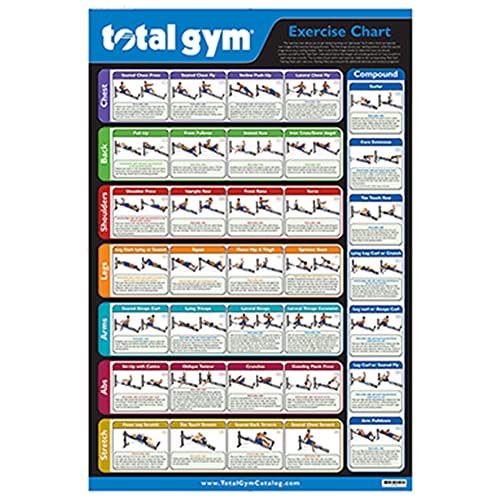
- ✓ Clear and detailed instructions
- ✓ Vibrant, high-quality print
- ✓ Organized by workout categories
- ✕ Might be too basic for advanced users
- ✕ Could use more exercises
| Content Type | Workout guideline poster with categorized exercises |
| Number of Workouts | 35 exercises |
| Print Quality | High-quality, colored images and detailed instructions |
| Material | Durable print suitable for indoor and outdoor use |
| Design Features | Categorized by muscle groups: chest, back, shoulders, legs, arms, abs, stretch, and compound exercises |
| Compatibility | Fits in any gym setup, suitable for both beginners and experienced athletes |
This Total Gym Exercise Chart Poster has been sitting on my wishlist for a while, mainly because I love having visual guides right in my workout space. When I finally got my hands on it, I was pleasantly surprised by how well it lives up to its promise.
The first thing I noticed is how clear and detailed the instructions are. The colored photos really make it easy to identify each move, even if you’re new to some exercises.
I appreciated how the categories are neatly organized—chest, back, shoulders, legs, arms, abs, stretch, and compound workouts—making it simple to plan my routine.
It’s lightweight but feels durable enough to hang in my gym or even outdoors. The print quality is sharp, and the colors are vibrant, which keeps me motivated to stick with my workouts.
I especially like that it’s easy to follow along without constantly referring to my phone or notes, which can break my flow.
The design fits perfectly into any space, whether I set it up inside or outside. It’s a great visual reminder of what I should be doing, and I find myself switching up exercises more often just by looking at it.
For the price, it’s a smart investment in maintaining variety and consistency in my fitness routine.
Overall, this poster makes working out feel more structured and less confusing. It’s simple, effective, and adds a professional touch to my home gym.
If you’re serious about staying motivated and organized, this chart is definitely worth it.
Garage Gym Athlete: Practical Guide to Training and Fitness

- ✓ Clear, practical advice
- ✓ Minimal equipment needed
- ✓ Highly adaptable routines
- ✕ No detailed workout videos
- ✕ Basic presentation
| Guideline Focus | Training and Fitness Strategies |
| Target Audience | Athletes and Fitness Enthusiasts |
| Format | Printed Book |
| Page Count | Approximately 150 pages |
| Language | English |
| Price | $11.95 |
There’s a common belief that to get fit at home, you need a ton of equipment or a complicated plan. Honestly, I used to think that too — until I flipped through the Garage Gym Athlete: Practical Guide to Training and Fitness.
What surprised me right away is how straightforward and practical this guide is. It doesn’t drown you in jargon or require fancy gear.
Instead, it offers clear, actionable advice that you can actually follow, even with minimal space or equipment.
One thing I really appreciated is the focus on functional movements. It’s about real-world strength and endurance, not just lifting heavy weights for show.
The routines are flexible, so you can adapt them to your schedule and space constraints.
The guide is well-organized, with easy-to-understand instructions and progressions. I found myself actually sticking to the plan because it felt doable and motivating.
Plus, the tips on injury prevention and recovery are a nice touch, making it more than just a workout blueprint.
At only $11.95, it’s a steal for anyone serious about building a practical home gym. Whether you’re a beginner or looking to refine your routine, this guide cuts through the fluff and gets straight to what works.
Of course, it’s not a glossy, high-tech program, so if you’re after the latest gadgets or a flashy app, this might not satisfy that craving. But for honest, effective guidance, it’s a solid choice.
So You Joined a Gym? Workout Planning & Sample Routines

- ✓ Clear, easy-to-follow routines
- ✓ Budget-friendly price
- ✓ Great for beginners
- ✕ Basic for advanced users
- ✕ Limited in-depth science
| Workout Program Type | Guided routines for various fitness levels |
| Number of Sample Routines | Multiple sample routines included |
| Intended Audience | Beginners and intermediate gym-goers |
| Price | $2.99 |
| Content Format | Digital PDF or online access (inferred from product type) |
| Additional Features | Workout planning tips and motivational guidance |
The first time I flipped through “So You Joined a Gym? Workout Planning & Sample Routines,” I immediately appreciated how straightforward it is.
I remember pulling it out during a busy weekend and feeling a little overwhelmed about where to start with my workouts.
What caught my eye right away was how the guide breaks down complex routines into simple, easy-to-follow steps. It’s like having a personal trainer right there with you, offering clear instructions and tips.
The sample routines are practical, covering everything from beginner to advanced levels, so you can pick what fits your current fitness stage.
I especially liked the section with quick planning tips—helpful advice on setting realistic goals and staying consistent. It’s not just about exercises; it’s about creating a sustainable workout habit.
The layout is clean, making it easy to scan and find what you need, even if you’re short on time or energy.
One thing that surprised me was the inclusion of alternative exercises for equipment-less workouts. Perfect for home or gym days when you don’t have access to all the machines.
The price tag of just $2.99 makes it a no-brainer for anyone looking for a solid starting point without spending a fortune.
Of course, it’s a guide meant for beginners or those new to structured routines. If you’re already advanced or looking for detailed workout science, it might feel a bit basic.
Still, for the price, it offers a clear, practical foundation that can help you get moving confidently.
Rules Of The Gym – NEW Classroom Motivational Poster

- ✓ Bright, motivating design
- ✓ Easy to read from afar
- ✓ Durable, glossy finish
- ✕ Limited space for customization
- ✕ Might be too simple for some
| Material | Printed poster paper |
| Size | Standard classroom poster size (approx. 24×36 inches) |
| Design | Motivational classroom guideline with visual elements |
| Brand | PosterEnvy |
| Price | $9.99 |
| Intended Use | Educational and motivational display in gym or classroom settings |
You’re standing in the corner of your gym, trying to stay motivated during a busy evening workout, when your eyes land on the “Rules Of The Gym” poster hanging on the wall. The bold, colorful text immediately grabs your attention, and you realize how much a simple reminder can boost your focus.
The poster’s vibrant design makes it impossible to ignore, and it feels like a friendly nudge to keep your workout on track.
At just $9.99, this poster is surprisingly sturdy with a glossy finish that resists smudges and tears. It’s the perfect size to hang on a wall without overwhelming your space, about the size of a standard sheet of paper.
The clear, concise rules are easy to read even from across the room, which is great when you’re in the middle of a sweaty session.
What I really like is how it covers the essentials—things like staying hydrated, respecting others, and maintaining proper form. These little reminders help reinforce good habits, especially on days when your motivation dips.
The bright colors and simple font make it inviting rather than intimidating, creating a positive atmosphere in your workout area.
It’s not just a decoration; it’s a motivational tool that keeps your focus sharp. Plus, it’s lightweight enough to move around if needed or to take down for storage.
Overall, it’s a smart, affordable addition to any home gym or fitness space that could use a little extra encouragement.
What Factors Should You Consider When Choosing a Gym?
When choosing a gym, several important factors should be considered to ensure it meets your fitness needs and preferences.
- Location: The gym’s proximity to your home or workplace can significantly influence your attendance. A conveniently located gym reduces travel time and increases the likelihood of regular visits.
- Facilities and Equipment: It’s crucial to assess the variety and quality of equipment available, including weights, cardio machines, and specialized areas for activities like yoga or cycling. Well-maintained facilities can enhance your workout experience and cater to various fitness routines.
- Membership Costs: Understanding the pricing structure, including initiation fees and monthly dues, is essential for budgeting. Consider any hidden costs, such as fees for classes or personal training sessions, to avoid surprises later.
- Operating Hours: Check if the gym’s hours align with your schedule, especially if you prefer working out early in the morning or late at night. Flexible hours can accommodate different lifestyles and make it easier to fit workouts into your routine.
- Class Offerings: If you enjoy group fitness, investigate the types of classes available and their schedules. A diverse range of classes can keep your workouts fresh and engaging, motivating you to stick with your fitness program.
- Staff Qualifications: The expertise of trainers and staff is vital, especially if you are new to fitness or looking for guidance. Qualified trainers can provide valuable advice on workouts, nutrition, and injury prevention, enhancing your overall gym experience.
- Atmosphere and Community: The gym’s environment can impact your motivation and enjoyment. A friendly, welcoming atmosphere with a supportive community can make exercising more enjoyable and encourage you to stay committed to your fitness journey.
- Cleanliness and Maintenance: A clean gym is essential for health and safety. Regular maintenance of equipment and facilities not only ensures your comfort but also reflects the gym’s commitment to providing a quality environment for its members.
- Parking and Accessibility: Evaluate the availability of parking or public transport options. Easy access to the gym can reduce stress and make it more convenient to incorporate workouts into your daily routine.
How Can You Develop an Effective Workout Routine?
To develop an effective workout routine, it’s essential to follow certain guidelines that will help maximize your results and ensure a balanced approach to fitness.
- Set Clear Goals: Establishing specific, measurable, achievable, relevant, and time-bound (SMART) goals is crucial for staying motivated and tracking progress. Whether your aim is to lose weight, build muscle, or enhance endurance, having clear objectives will guide your workout choices and keep you focused.
- Choose the Right Exercises: Incorporate a mix of cardiovascular, strength training, and flexibility exercises to create a well-rounded routine. This balance not only promotes overall fitness but also helps prevent boredom and reduces the risk of injury by targeting different muscle groups and energy systems.
- Plan Your Schedule: Consistency is key in any workout routine, so devise a schedule that fits your lifestyle and allows for regular workouts. Aim for at least 150 minutes of moderate-intensity aerobic activity or 75 minutes of vigorous activity each week, alongside strength training sessions for major muscle groups on two or more days.
- Monitor Intensity: Adjust the intensity of your workouts according to your fitness level and goals, using methods like heart rate monitoring or the Rate of Perceived Exertion (RPE) scale. This ensures you are challenging yourself appropriately without overexerting, which can lead to burnout or injury.
- Include Rest and Recovery: Adequate rest is vital for muscle recovery and overall performance improvement, so schedule rest days and incorporate lighter workouts when needed. Listening to your body and allowing time for recovery can enhance your effectiveness in the long run.
- Track Progress: Keeping a workout log or using fitness apps can help you monitor your progress over time. This not only serves as motivation but also helps you identify patterns in your training that can inform adjustments to optimize results.
- Stay Flexible: Be open to modifying your routine as needed based on your progress, changes in goals, or any physical limitations that arise. Adaptability allows you to maintain a sustainable workout regimen that can evolve with your fitness journey.
Why is Strength Training Essential for Your Goals?
Strength training is fundamental in achieving various fitness goals, from weight loss to muscle gain, and overall health improvement. Here’s why it is essential:
-
Increases Muscle Mass: Strength training promotes hypertrophy (muscle growth), which not only enhances your physical appearance but also boosts your basal metabolic rate, allowing you to burn more calories even at rest.
-
Enhances Functional Strength: Engaging in strength training improves your ability to perform everyday tasks more efficiently, such as lifting heavy objects, climbing stairs, or improving sports performance.
-
Boosts Cardiometabolic Health: Regular resistance training can reduce the risk of chronic diseases, like type 2 diabetes and heart disease. It also helps in managing blood pressure and cholesterol levels.
-
Improves Bone Density: Activities involving weight-bearing exercises strengthen bones, decreasing the risk of osteoporosis, especially in older adults.
-
Promotes Mental Well-being: Strength training releases endorphins, which can elevate mood and reduce symptoms of anxiety and depression, contributing positively to mental health.
Incorporating strength training into your fitness routine not only supports physical goals but also enhances overall well-being and longevity.
What Are the Benefits of Incorporating Cardio in Your Routine?
- Improved Heart Health: Engaging in regular cardiovascular exercise strengthens the heart muscle, improving its efficiency in pumping blood. This can lower the risk of heart disease and improve circulation, leading to better oxygen delivery throughout the body.
- Weight Management: Cardio workouts are effective for burning calories, which aids in weight loss and maintaining a healthy weight. By incorporating different forms of cardio, such as running or cycling, you can create a calorie deficit essential for fat loss.
- Enhanced Endurance: Regular cardio training increases stamina, allowing you to perform daily activities with less fatigue. Over time, your body adapts to higher levels of physical exertion, which can improve performance in sports and other physical activities.
- Mood Improvement: Cardio exercises release endorphins, often referred to as “feel-good” hormones, which can elevate mood and reduce feelings of stress and anxiety. This psychological benefit can contribute to better mental health and overall well-being.
- Better Sleep Quality: Engaging in cardio can promote better sleep patterns by helping to regulate your circadian rhythm. Regular physical activity can lead to deeper sleep and help combat insomnia, making it easier to wake up feeling refreshed.
- Increased Metabolism: Cardio workouts can boost your metabolic rate, even after the exercise session has ended. This means you continue to burn calories at a higher rate, which is beneficial for weight management and overall energy levels.
- Reduced Risk of Chronic Diseases: Regular cardiovascular activity is associated with lower risks of chronic diseases such as type 2 diabetes, hypertension, and certain types of cancer. By promoting a healthy lifestyle, cardio can contribute to longevity and a higher quality of life.
How Should You Approach Nutrition and Recovery for Optimal Results?
To achieve optimal results in the gym, following the best gym guidelines for nutrition and recovery is crucial.
- Balanced Diet: A balanced diet is key to fueling your workouts and aiding recovery. It should consist of macronutrients—carbohydrates for energy, proteins for muscle repair, and healthy fats for overall health—along with micronutrients from fruits and vegetables to support bodily functions.
- Hydration: Staying hydrated is essential for performance and recovery. Water helps regulate body temperature, lubricates joints, and transports nutrients, making it imperative to drink enough fluids before, during, and after workouts.
- Post-Workout Nutrition: Consuming a meal or snack rich in protein and carbohydrates after a workout aids in muscle recovery and replenishing glycogen stores. Aiming to eat within 30 minutes to two hours post-exercise can maximize recovery benefits.
- Rest and Sleep: Adequate rest and quality sleep are fundamental for muscle recovery and overall performance. During sleep, the body repairs tissues and releases growth hormones, making it essential to aim for 7-9 hours of restorative sleep each night.
- Listening to Your Body: Paying attention to your body’s signals is important for avoiding injury and ensuring effective training. If you experience fatigue or pain, it may be a sign to modify your workout intensity or take a rest day.
- Consistency: Adhering to a consistent routine in both nutrition and training is critical for long-term success. Establishing regular meal and workout schedules helps reinforce healthy habits and promotes steady progress toward fitness goals.
What Nutritional Strategies Can Enhance Your Performance?
Hydration is often overlooked but is critical for maintaining performance levels. Water supports various bodily functions, including temperature regulation and nutrient transport, and even mild dehydration can lead to fatigue and decreased performance.
Pre-workout nutrition is essential for optimizing performance levels. A carbohydrate-rich snack can provide quick energy, while some protein can help sustain muscle performance during the workout, ensuring you can push through your training routine effectively.
Post-workout recovery is crucial for muscle repair and growth. Consuming protein helps in muscle synthesis, while carbohydrates replenish glycogen stores that were depleted during exercise, making it easier to recover for the next workout.
The timing of meals can have a significant impact on performance. By aligning your food intake with your workout schedule, you can ensure that your body has the necessary energy available for exercise and can recover effectively afterward.
Micronutrient optimization ensures that your body functions at its best. Vitamins and minerals play key roles in energy production, muscle contraction, and recovery, and deficiencies can lead to impaired performance and increased risk of injury.
Why Is Recovery Crucial for Sustained Fitness Progress?
The underlying mechanism involves several physiological processes, including protein synthesis, hormonal balance, and energy replenishment. During recovery, protein synthesis rates increase, which is vital for repairing damaged tissues and promoting muscle growth. Additionally, hormones such as testosterone and growth hormone, which play essential roles in muscle recovery and growth, are optimally released during rest periods. Energy stores, primarily glycogen, are also replenished during recovery, ensuring that the body is well-prepared for subsequent workouts and maintaining optimal performance levels.
Furthermore, insufficient recovery can lead to overtraining syndrome, characterized by fatigue, decreased performance, and increased risk of injury. Research from the American College of Sports Medicine indicates that overtraining can reduce motivation and lead to chronic fatigue, which ultimately hinders fitness progress (Kreider et al., 2001). Thus, proper recovery not only enhances physical adaptations but also supports mental well-being, ensuring that individuals remain engaged and motivated in their fitness journeys.
What Strategies Help Maintain Your Motivation at the Gym?
Several effective strategies can help maintain motivation at the gym:
- Set Clear Goals: Establishing specific, measurable, and time-bound goals gives you a clear direction and purpose for your workouts. This can range from weight loss targets to strength gains, ensuring that you can track your progress and celebrate achievements along the way.
- Create a Routine: Developing a consistent workout schedule helps to build the habit of exercising regularly. By treating your gym sessions as unmissable appointments, you reduce the likelihood of skipping workouts, fostering long-term commitment to your fitness journey.
- Find a Workout Partner: Exercising with a friend or accountability partner can significantly enhance motivation. Sharing your goals and progress with someone else not only provides mutual encouragement but also makes workouts more enjoyable and social.
- Mix Up Your Workouts: Routine can lead to boredom, so varying your exercises keeps things fresh and exciting. Trying new classes, changing your workout splits, or incorporating different equipment can reignite your enthusiasm and challenge your body in new ways.
- Track Your Progress: Keeping a workout log or using fitness apps to monitor your achievements helps you visualize your improvements over time. This tangible evidence of progress can be incredibly motivating and can push you to strive for even greater results.
- Reward Yourself: Implementing a reward system for reaching milestones provides additional motivation. This could be treating yourself to new workout gear, a massage, or a day off to relax, reinforcing your commitment to your fitness goals.
- Stay Inspired: Surrounding yourself with motivational content, such as fitness blogs, social media influencers, or success stories, can keep your spirits high. Engaging with a community or following people who inspire you can boost your motivation and remind you of your goals.
- Listen to Music or Podcasts: Creating an energizing playlist or tuning into interesting podcasts while you work out can enhance your enjoyment and focus during exercise. The right audio can elevate your mood and help you push through challenging workouts.
What Common Mistakes Should You Avoid When Pursuing Fitness Goals?
Neglecting rest and recovery is a common mistake that can lead to burnout and injuries. It’s essential to schedule rest days and listen to your body to allow for muscle repair and growth.
Setting unrealistic goals, such as expecting to lose a significant amount of weight in a short period, can lead to disappointment. Instead, focus on smaller, achievable milestones that can keep you motivated and engaged.
Ignoring nutrition can undermine your fitness efforts, as food plays a crucial role in fueling workouts and recovery. Prioritizing a balanced diet rich in proteins, healthy fats, and carbohydrates is vital for optimal performance.
Skipping warm-ups and cool-downs may seem insignificant, but these practices are essential for injury prevention and improving flexibility. A proper warm-up prepares your body for exercise, while a cool-down helps your heart rate return to normal and aids in recovery.
Inconsistent training can stall your progress, as regular exercise is key to building strength and endurance. Creating a workout schedule that fits your lifestyle can help establish a consistent routine.
Comparing yourself to others can be detrimental to your self-esteem and motivation. Every individual’s fitness journey is unique, and focusing on your own progress and achievements can foster a healthier mindset.
Related Post: